When a hurricane is predicted to hit land near you, it’s wise to take precautionary measures by preparing for the expected as well as the unexpected.
Weather forecasters tend to start talking about hurricanes sometimes as much as two weeks in advance, so it’s best to heed the warnings and not wait to prepare. The key is to plan ahead. You may gather basic supplies like batteries, food and water, but you also should consider additional items, just in case.
Being prepared for a hurricane can minimize property damage and save the lives of your family. Consult our Virginia Hurricane Preparedness Central for in-depth tips on what to do before and after a storm, which include:
- Assessing your risk if a hurricane warning is issued;
- Making a family safety plan to keep in book bags and in each family vehicle;
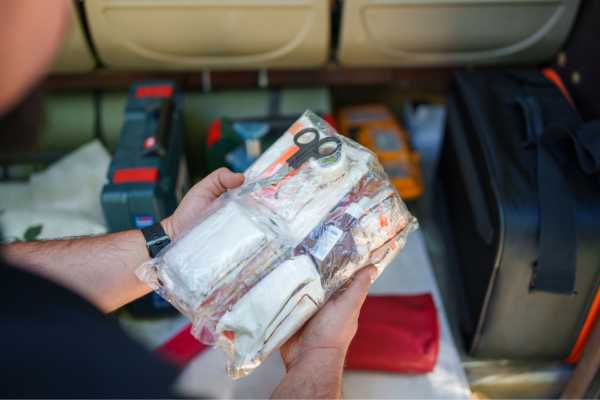
- Putting together an emergency kit with first aid items, flashlights and extra batteries, nonperishable food and bottled water;
- Filling up your car with full tank of gas;
- Having cash on hand in case of a power outage; and
- Securing your home or business.
One misconception people have about hurricanes is that they are strictly a coastal problem. However, unfortunately, anyone can be affected. The Atlantic hurricane season typically runs from June through November, and the storms are most active mid-August through mid-October. Consider talking with one of our insurance agents before a storm occurs to find out what your policy will cover and what you may need to add.