RICHMOND—Sunscreen may seem like just another routine task, but it plays an important role in protecting people against cancer.
Skin cancer is the most common form of cancer in the United States, with the most prevalent types being basal cell carcinoma, squamous cell carcinoma, and melanoma. According to the Centers for Disease Control and Prevention, about 6.1 million adults are treated for basal cell and squamous cell carcinomas each year. Melanoma is less common but more dangerous, as it is more likely to spread to other parts of the body. In 2021, 90,365 people in the U.S. were diagnosed with melanoma.
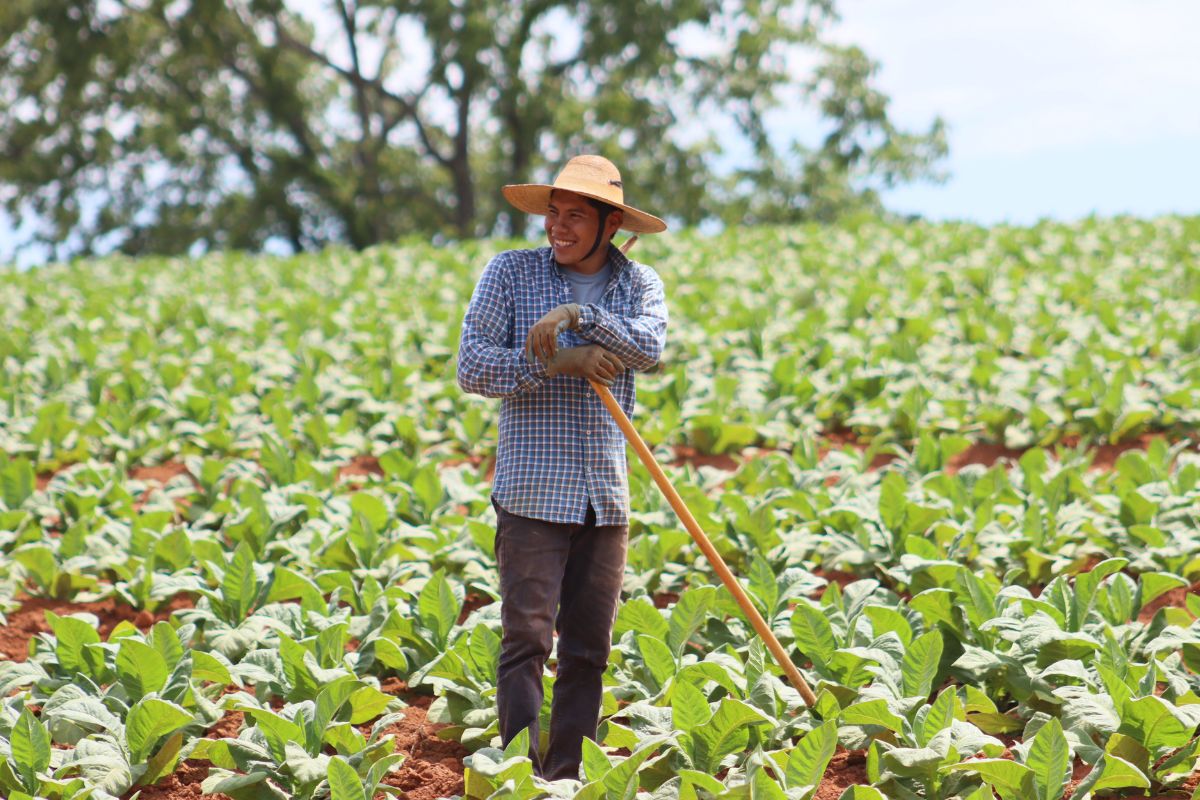
Excess exposure to UV radiation from sunlight increases the risk for all types of skin cancer. UV intensity is strongest between 10 a.m. and 4 p.m. While limiting time outdoors during these hours is recommended, this is not always practical for farmers and farm workers who spend much of their day outside.
One of the most effective ways to reduce the risk of skin cancer is the regular use of sunscreen. Broad-spectrum sunscreen protects against both UVA and UVB rays. Sunscreen with an SPF of 15 or higher should be applied and reapplied throughout the day. It also is important to protect areas such as the eyes and lips, which are vulnerable to sun damage. Lip balm with SPF and polarized sunglasses can help provide additional protection.
Additional sun-safe practices include wearing long pants, long-sleeved shirts, and wide-brim hats to minimize sun exposure.
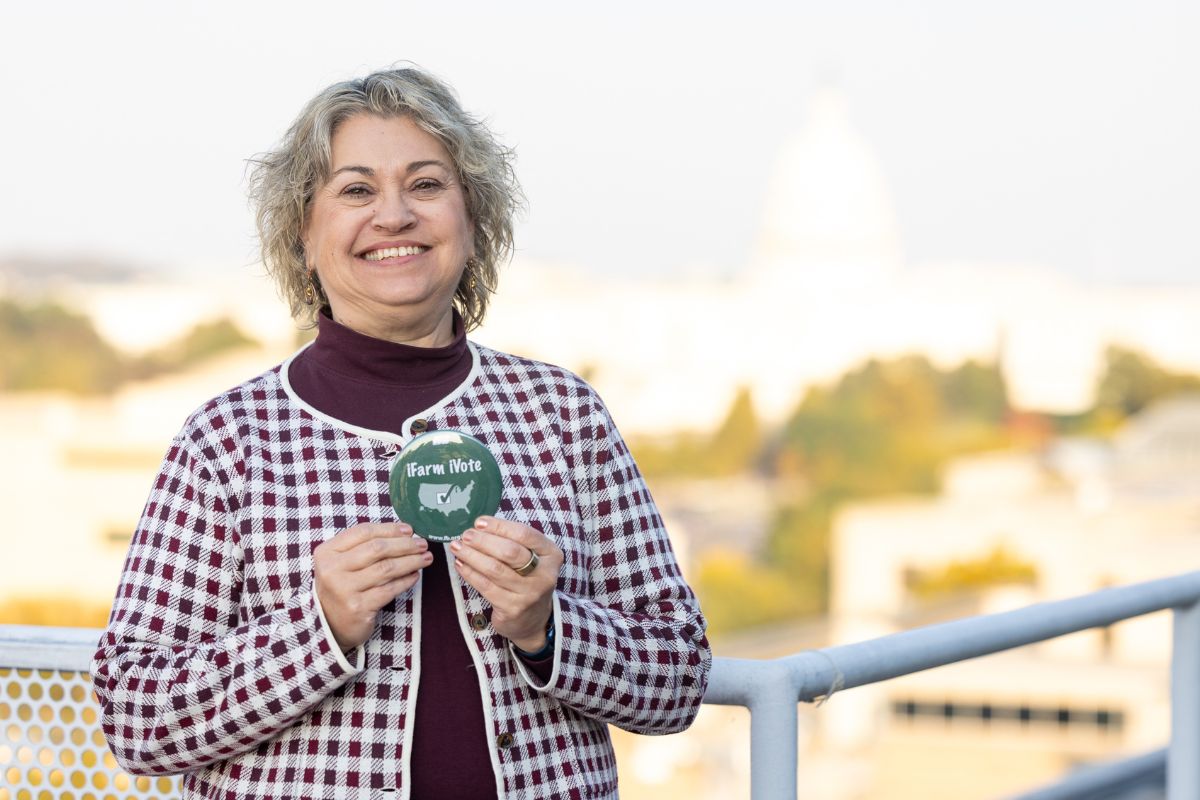
“There is truly no safe amount of sun exposure,” said Amy Johnson, a Bedford County family nurse practitioner and Virginia Farm Bureau Farm Safety Advisory Committee member. “Even on cloudy days, harmful rays can still cause burns, and over time, any exposure to the sun contributes to skin damage.”
Basal cell and squamous cell carcinomas can be highly treatable if detected early and managed properly.
“People should watch for early warning signs such as any noticeable changes in their skin,” Johnson said. “This includes moles that begin to change in color, shape or size, as well as any new growths or lesions that were not present before.”
The CDC provides the Melanoma Dashboard that delivers state and local data to support communities addressing their melanoma prevention needs. By staying informed and practicing consistent sun protection, individuals and communities can reduce the impact of skin cancer.
Media: Contact Johnson at Amy.Johnson@centrahealth.com.