STAUNTON—Augusta County clinical psychologist Dr. Caitlyn Owens’ passion for “listening to, walking alongside and empowering communities” is inspiring a critical movement in agriculture.
When Owens’ husband was an agriculture loan officer, he asked: “What do you do when someone talks about taking their own life?”
That question revealed an unexpected calling for Owens, who began “digging into the high suicide rates among farmers, and became disappointed in psychologists that we weren’t talking about this more.”
Hoping to create a centralized resource for farmers and loved ones, she teamed up with James Madison University and Staunton’s ARROW Project, a community focused health and wellness nonprofit, to pilot an agricultural wellness program in Augusta County.
Guided by clinicians, young farmers and other community advocates, the AgriTHRIVE team provides workshops and free therapeutic services for farmers, and hosts farm tours for clinicians.
Along with leading the program’s workshops for farmers, Owens trains future clinicians as a JMU associate professor of graduate psychology—leveraging her unique perspective to address rural healthcare needs.
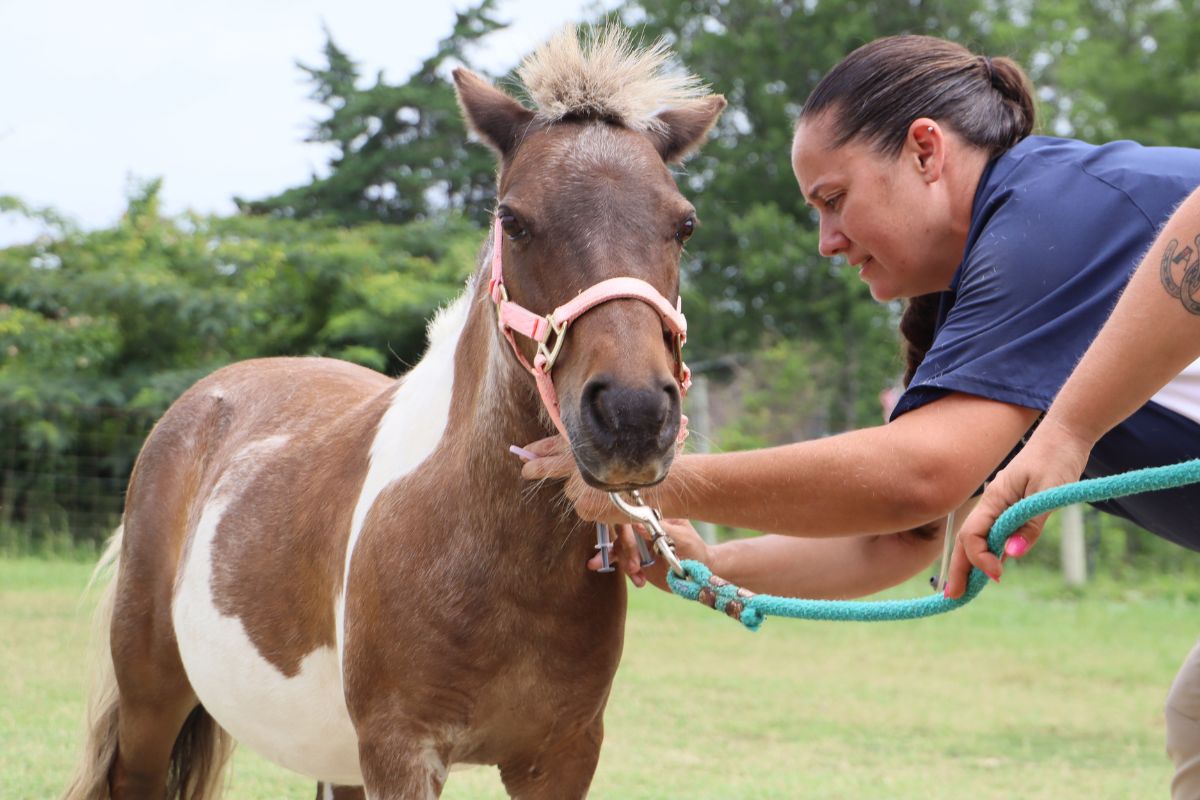
Healthcare needs for horses inspired veterinarian Dr. Sherri Guard to launch Guardian Equine Veterinary Services in Suffolk in 2023. Today, her mobile equine business serves roughly 250 clients from Hampton Roads to northeastern North Carolina—reflecting both the demand for equine care and the trust Gard has developed with local horse owners.
Earning a reputation among horse owners for being accessible and deeply invested in the wellbeing of her patients, Gard credits advances in veterinary medicine and owner education for helping horses live longer, healthier lives than they did decades ago.
“We know better, we do better,” Gard said. “They’re not dying of dental disease. They’re not dying of parasites. We have a lot better nutrition now.”
Although starting a veterinary business comes with long hours and constant responsibility, veterinary medicine is more than a profession for Gard. It is a commitment to helping horses thrive alongside the people who depend on them, one farm call at a time.
For large animal vet Dr. Bom Harris of Hanover County, every day is an adventure. One minute she’s conducting routine pregnancy checks or herd health inspections. The next, she’s rushing to treat injured livestock or assist with a difficult calving.
Harris’ mobile veterinary clinic—Old Dominion Veterinary Services—serves 26 counties across central and eastern Virginia. She often travels up to five hours each day treating cattle at cow-calf operations and dairies, pigs, llamas and small ruminants.
“It’s not a hardship to go out for a middle-of-the-night emergency for someone who’s become like family to you,” she said. “That’s the amazing thing about this job. Even on the long, hard days, there’s nothing else I’d rather be doing.”
Harris also serves as attending veterinarian at Virginia State University’s Randolph Farm, sits on VSU’s Animal Care and Use Committee, lectures in veterinary courses, regularly speaks at farmer roundtables, and mentors aspiring vets.
She also serves on agricultural boards and educates 4-H and FFA students—work she considers just as vital as food animal medicine.
“As veterinarians, we can offer unique perspectives,” she said. “And helping kids understand where their food comes from—that it isn’t from the grocery store—is worth every minute I put into it.”
Read more in Virginia Farm Bureau’s Farm Bureau News magazine.
Media: Contact Owens at klotzca@jmu.edu; Gard at sherrigard16@gmail.com; or Harris at cowdocbom@gmail.com.