BEDFORD—From the celebrated ultra-local flavors of Hanover to one of Italy’s “gold standards” of regional cuisine—Virginia-grown tomatoes get around.
While visiting a renowned chef at his new D.C. restaurant, Jay Faucher of Bedford County asked, “What can I personally grow for you?”
The chef wanted San Marzanos.
“‘Deal!’” Faucher said. “‘Now, what’s a San Marzano?’”
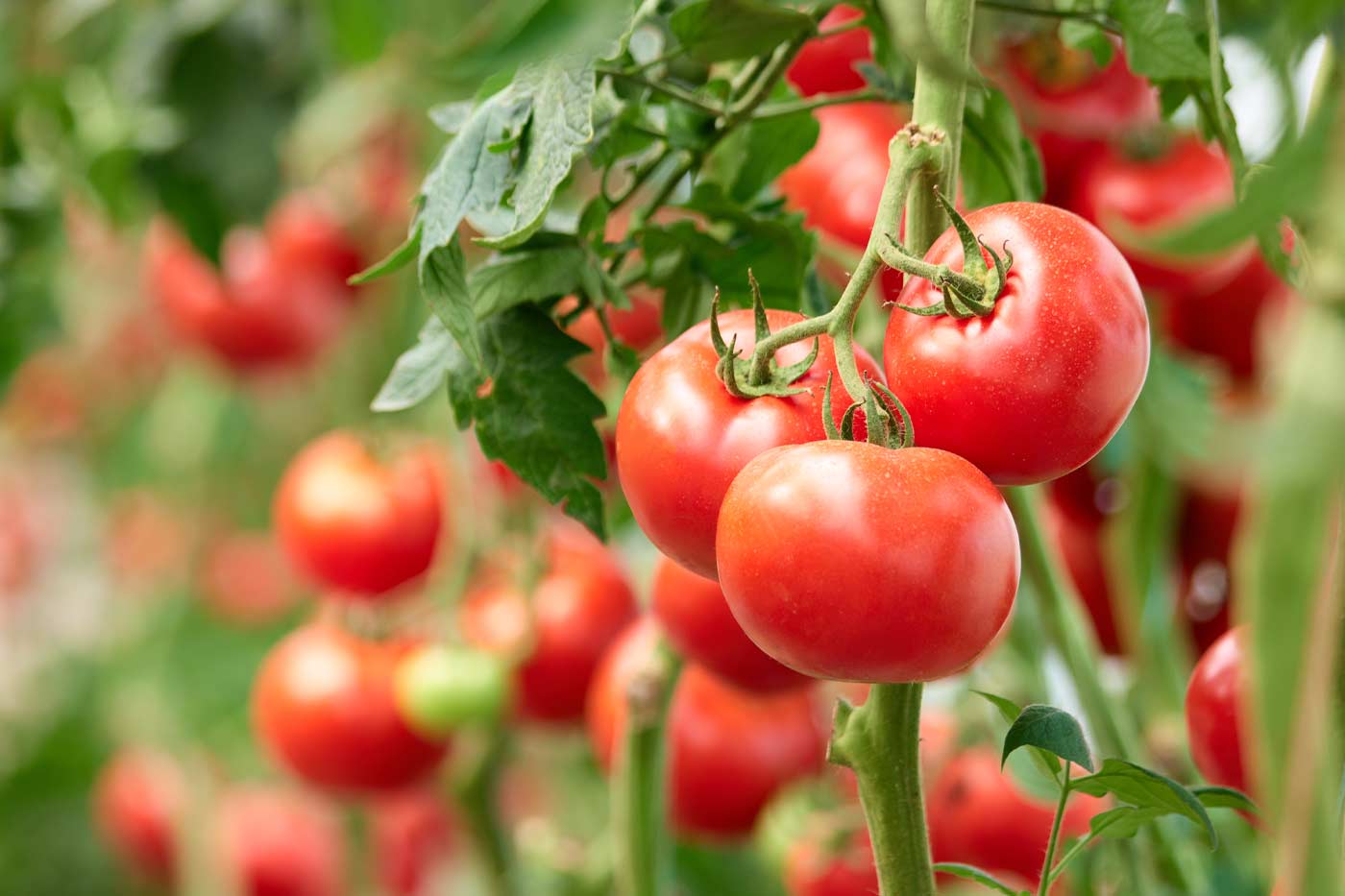
First grown in volcanic soil within sight of Mount Vesuvius in Italy’s Campania region, this variety of plum tomato is known for its hearty saucing qualities.
A beginning farmer, Faucher started the small tomato plot from seed, adjacent to his beans, chiles, corn, peppers, potatoes and pumpkins growing on 38 acres of pasture and woodland.
About 200 San Marzano plants produce tomatoes that hang in bunches on a rebar-enforced trellis to support the heavy fruit clusters and the crop’s long growing season.
“San Marzanos are hard to maintain,” Faucher said. “It’s not your typical tomato plant or sandwich tomato.”
Meanwhile, a Hanover tomato is indeed typical, with no specific varieties or types. But the soil imparts its distinctive appeal.
“The sandy loam soil out here on the east side of I-95 is good for vegetable production,” said Scot Ferguson, Virginia Cooperative Extension agent in Hanover County.
“Great tomatoes are grown everywhere, but Hanover’s are about history and culture,” he said. “And they’re harvested vine-ripe; that’s really the key.”
Hanover tomatoes became a Virginia agricultural icon in the early 20th century. The vine-ripened tomatoes were popular with Richmond’s farmers market shoppers, and the Hanover hype eventually spread up the East Coast. The tomatoes continue to be successfully marketed today.
Ferguson is in touch with farmers who wholesale directly to grocery chains clamoring to offer Hanover-grown tomatoes to summertime consumers.
In Mechanicsville, George Rice sources his Hanover-grown tomatoes to retailers with less overhead. A lifelong farmer and vice president of Hanover County Farm Bureau, Rice grows 4 acres of two tomato varieties at Hanovertown Farm alongside other crops. Consumers purchase his tomatoes and melons from roadside stands throughout the area.
“You’ve got to have Hanover tomatoes on your stands when they’re in season,” he said.
In step with a century-long tradition, consumers visit Richmond-area produce stands from all over, Rice said—as far away as Maryland, the Middle Peninsula and Virginia’s mountain towns.
In Virginia, 1,749 acres of tomatoes were grown on 699 farms, according to the 2022 Census of Agriculture. The majority of farms were located in Albermarle County, totaling 31, while Hanover County was home to 18 tomato farms.
Media: Contact Faucher at 540-425-4203; Ferguson at 804-752-4307; or Rice at 804-690-6658.