DINWIDDIE—Virginia farmers recently took their message to Congress without leaving their community.
At an Aug. 18 farmer roundtable at Virginia State University’s Randolph Farm, U.S. Rep. Jennifer McClellan, D-4th, heard firsthand how drought, high costs and unstable markets are affecting agricultural operations. The discussion was facilitated by Virginia Farm Bureau Federation, Colonial Farm Credit and the Virginia Grain Producers Association, followed by tours at two Dinwiddie County farms.
Farmers described a difficult growing season marked by dry conditions, intense heat and scattered rainfall. Lunenburg County crop grower Cecil Shell said irrigation decisions became a gamble.
“We wanted to start irrigating earlier, but we couldn’t because the water in the pond was drying up,” he said.
Díaz Tompkins, a Chesterfield County farmer and forester, said drought cut into hay supplies, straining beef operations. Some farmers already are feeding winter hay reserves, as others consider downsizing herds or diversifying into other commodities to offset losses.
Farmer Cliff Slade of Surry County appealed for more federal price support.
“Go back 10 or 15 years, and we’re still getting the same prices for soybeans and other crops,” he said. “While the cost of inputs basically goes up and never comes down.”
Farm advocates said crop insurance and other farm bill investments would help producers manage uncertainty. They also thanked McClellan for supporting expansion of U.S. corn and cotton markets by backing legislation regarding year-round access to E15 fuel containing 15% ethanol, and the Buying American Cotton Act.
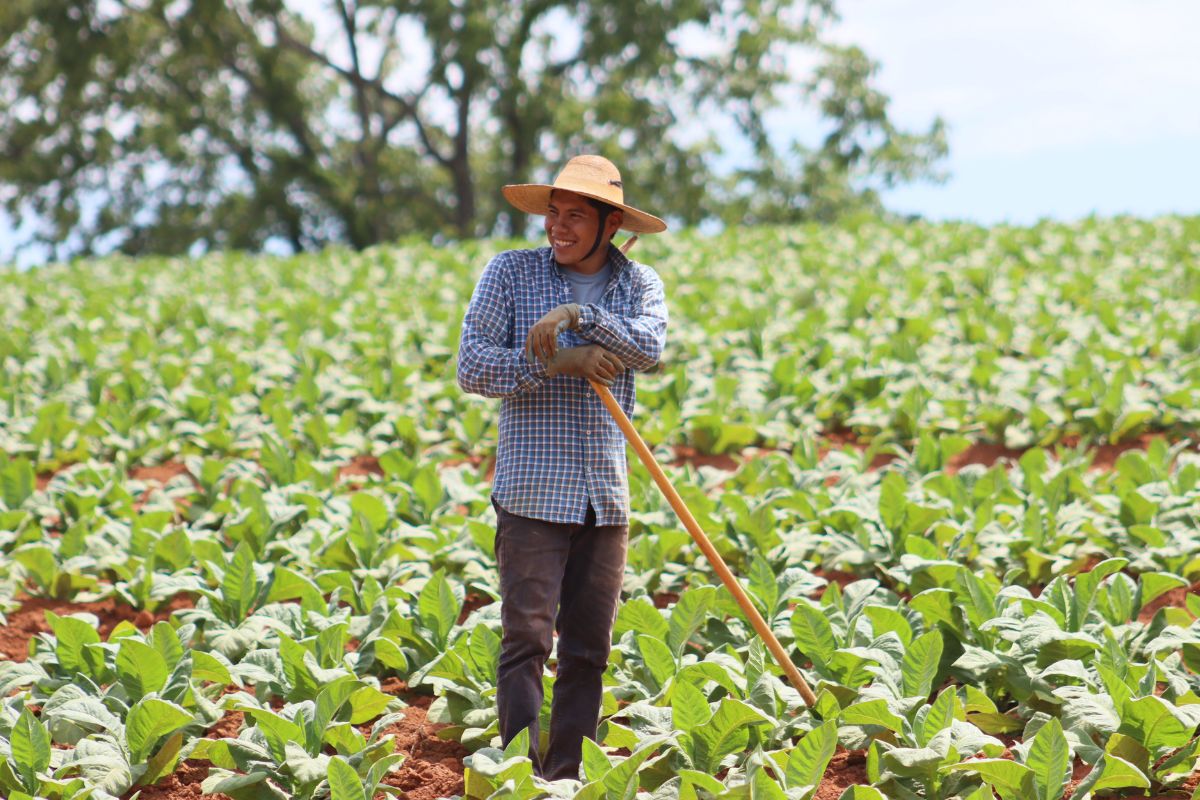
Tours included a tobacco harvest at Turner Family Farms, where farmer Donald Turner emphasized the critical role of H-2A guest workers in the U.S. agricultural economy.
At Spiers Farm, Robert Spiers compared his family’s May-planted corn with a neighbor’s stalks planted in April, illustrating how unpredictable rainfall can upend even the conventional wisdom of planting early.
“Most of the time, the early bird gets the worm,” he said. “We can try to do everything to mitigate our risk, but we always have weather.”
Some fields were 4 to 6 inches below the five-year rainfall average.
“Our neighbor’s yield will probably be about 25% less than his potential because of weather,” Spiers said, underscoring why “crop insurance is very, very important.”
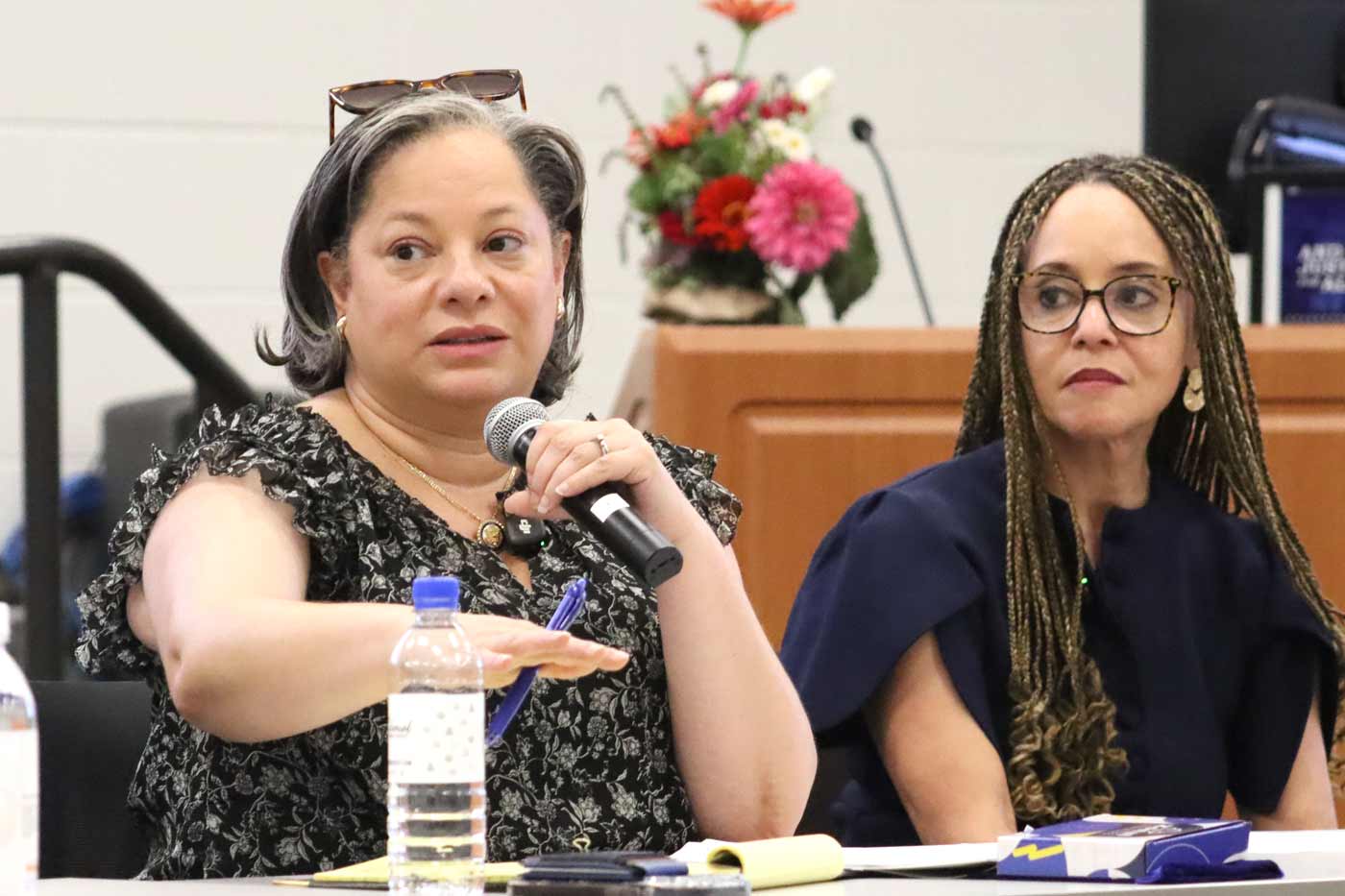
McClellan said this ongoing conversation with agricultural partners helps her connect issues like extreme weather, energy policy and agriculture.
“We govern in silos, but we don’t live in silos,” she said. “Hearing from you firsthand helps elevate issues that might not be on our radar. The more you call us, the faster I can raise the flag for you in Washington!”
Media: Contact Olivia Gyapong, VFBF national affairs specialist, at 804-290-1012.