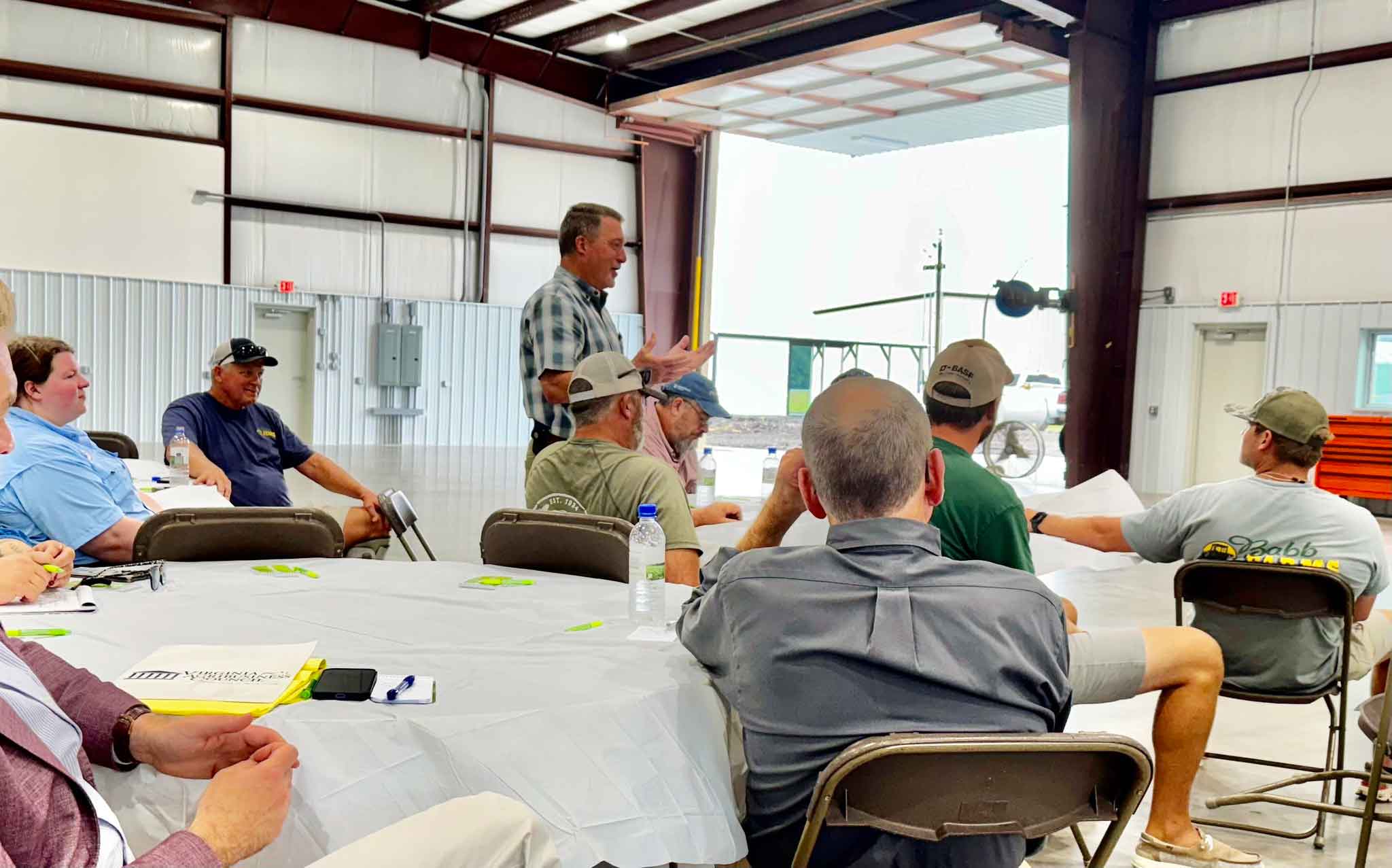
WINDSOR—Farmers seized an opportunity to discuss provisions in the farm bill and other agriculture-related policy at an Aug. 1 listening session with Congresswoman Jen Kiggans, R-2nd, and state Sen. Emily Jordan, R-Smithfield.
The legislators met with about 25 regional growers at Babb Farms Inc. in Isle of Wight County to share farm bill progress, state and federal priorities and industry concerns.
The American Relief Act, 2025, signed into law in December 2024, extended the 2018 Farm Bill for one year. The extension enables the continuation of its authorized programs, including safety net, price support and conservation programs available through USDA.
Kiggans said farm bill dialogue has been ongoing since her 2023 election to Congress.
“We haven’t gotten the bill in its entirety,” she said. “I would love to see it pass by December. We’ll keep pushing for it. When it does come out, we’ll go through it line by line and make sure it’s what you need for the credit, assistance and insurance pieces. Let us know if it can be tweaked.”
On the state level, Jordan said she is working with Virginia’s agriculture secretary on reforming the Agriculture and Forestry Industries Development Fund grant programs. The AFID programs provide grants for projects that support local food production and sustainable agriculture.
“The cost of everything has gone up,” she said. “So, it’s time we caught up and increase some of those grant limits and make the criteria more flexible for applicants.”
Tyler Oliver, president of the Virginia Grain Producers Association, expressed concern over a potential ban of commonly used herbicides noted in the Making America Healthy Again commission report. Growers could face at least a 60% increase in cost if they switch from glyphosate and atrazine to alternative herbicides.
“Those are two critical herbicides, especially on the corn side,” Oliver said. “Their use has been scientifically backed by the EPA. We ask that you stand up for us on that.”
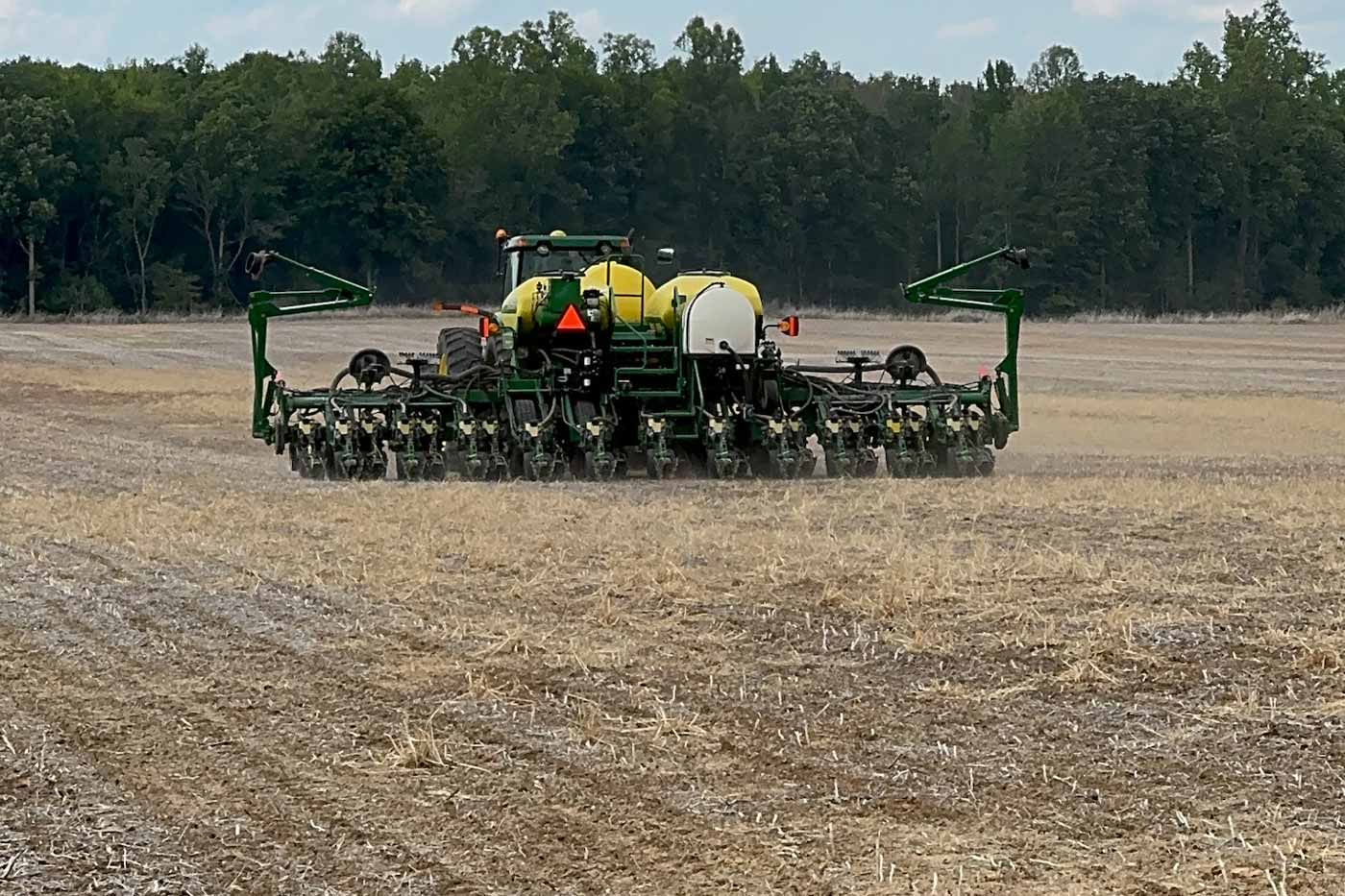
The long-used herbicides are credited for environmental gains, allowing farmers to implement best management practices that reduce sediment loss, erosion, irrigation use and machinery emissions, while sequestering carbon in the soil.
“If these herbicides go away, we lose the ability to no-till farm, use cover crops and other conservation practices important in this part of the world,” said Ben Rowe, Virginia Farm Bureau Federation director of national affairs.
Kiggans said her dad put food on the table working in the ag chemical industry.
“You need these products to continue to produce the food and grain we need,” she said. “But members of Congress will have the opportunity to weigh in as this MAHA legislation comes through. I’m on your side on this issue.”
Media: Contact Kiggans’ chief of staff at 202-225-4215; Jordan at 757-239-1213; Oliver at 804-426-4070; or Rowe at 804-290-1017.