BLACKSBURG—After months of watering, weeding and watching gardens flourish, many Virginians are enjoying the fruits of their labor.
Eating a fresh salad or roasted vegetables from the garden is a rewarding experience. But a homegrown harvest requires safe handling to prevent the spread of pathogens, cross-contamination and illness.
“All produce should be washed,” advised Grace Stern, Virginia Cooperative Extension Master Gardener Program coordinator. “Commercial farmers follow rules to keep animals, animal waste and human pathogens out of their fields. Home gardeners don’t have to follow the same rules, but we should be taking similar measures to reduce our risk of getting sick.”
While gardens are full of beneficial microorganisms, bad bacteria, viruses and parasites lurk alongside them. Wild animals, pets and backyard poultry should be kept away as they can introduce harmful pathogens like salmonella, listeria and E.coli that can cause serious illness if eaten.
“Home gardens tend to be small plots near the house or a wood line, making them attractive to pets following their owners or chasing wild animals, or to backyard poultry searching the garden for an easy meal,” explained Tony Banks, Virginia Farm Bureau Federation’s senior assistant director of agriculture, development and innovation.
Always wash your hands with warm soap and water for at least 20 seconds before and after working in the garden. Contaminated tools also can spread pathogens, so scissors, clippers and pruners should be washed too.
When harvesting, use clean food-grade containers or totes dedicated solely to fresh produce—free of soil or other materials. And carefully inspect before picking. Produce with animal feces, fur or nibbles should be avoided.
“Any physical damage, including insect damage, that opens the inside of fruits or vegetables to the atmosphere and water, can lead to biological contamination,” Banks added. “Unless damaged produce undergoes a kill step—like cooking—before consumption, throw it out when in doubt.”
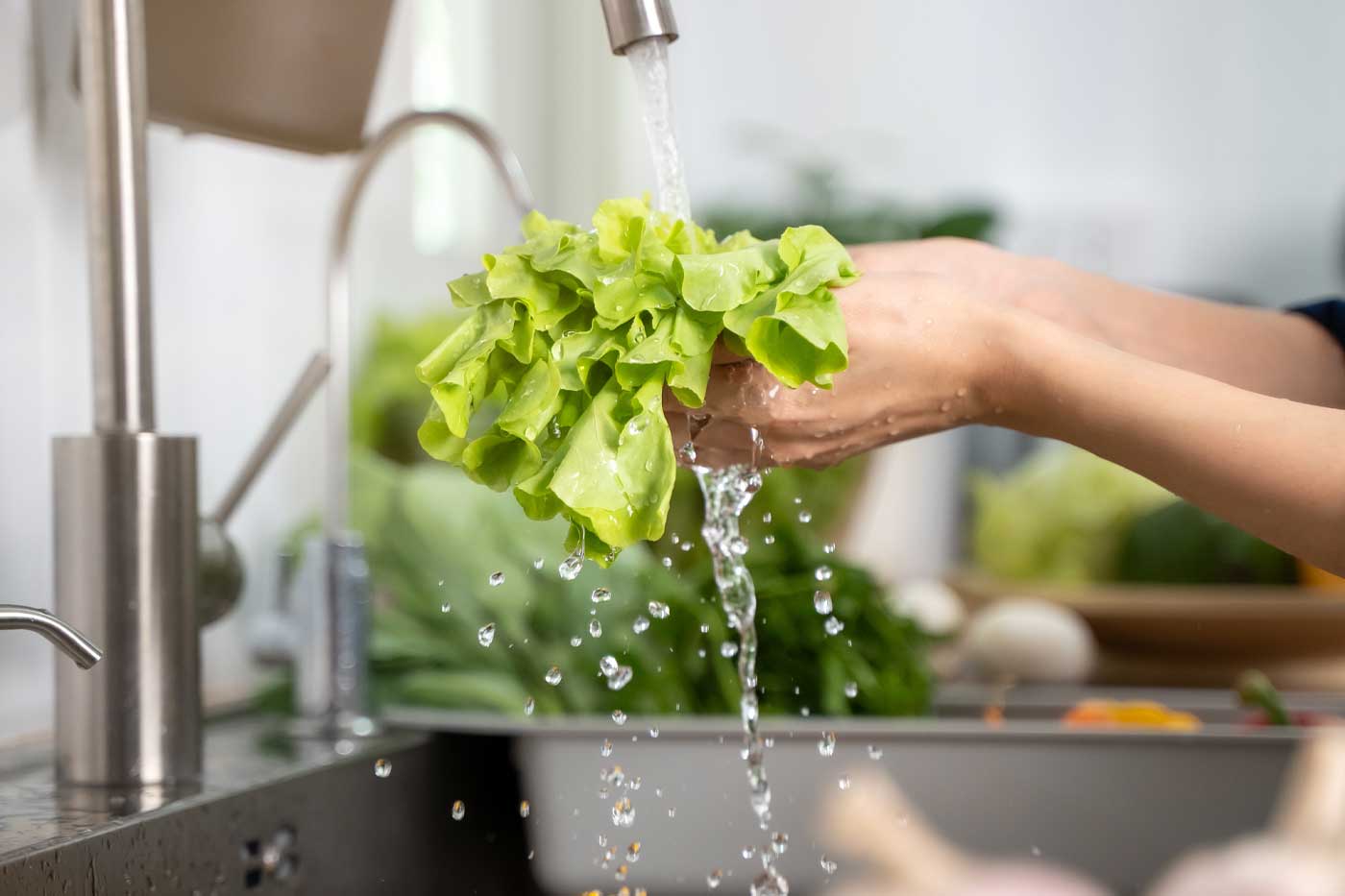
After harvesting, carefully wash, but do not scrub soft-skinned produce like berries, grapes and leafy greens under clean running water with clean hands. For thicker-skinned, firm produce like cucumbers, squash and carrots, use a clean produce brush under clean running water. Avoid washing with soap, detergent, bleach or vinegar as produce is porous and can absorb chemicals from cleaning agents. For the same reason, always use clean running water and don’t submerge or soak produce.
Organic gardeners also should follow these practices, Stern noted.
“Organic produce still needs to be washed,” she said. “People sometimes think that if they’re not spraying anything on their crops, there’s no need to wash it—but all produce should be washed.”
After washing, gently dry harvested produce with a clean cloth or paper towel before properly storing.
Read more information on homegrown produce safety, as well as safe preservation tips.
Media: Contact Stern at 540-231-7753 or Banks at 804-290-1114.