RICHMOND—No dollar amount can be placed on the value of clean water and healthy soil, but a $16 million increase to the fully funded Virginia Agricultural Best Management Practices Cost-Share program is a welcome budgetary consideration among farmers and conservationists alike.
This is the fourth consecutive year of increased funding for the program, with $223 million allocated to the VACS program for fiscal year 2026. This marks a $16 million increase over last year’s funding threshold of $207 million.
The VACS program helps farmers offset the cost of implementing a wide range of eligible best management practices with reimbursement up to 100%.
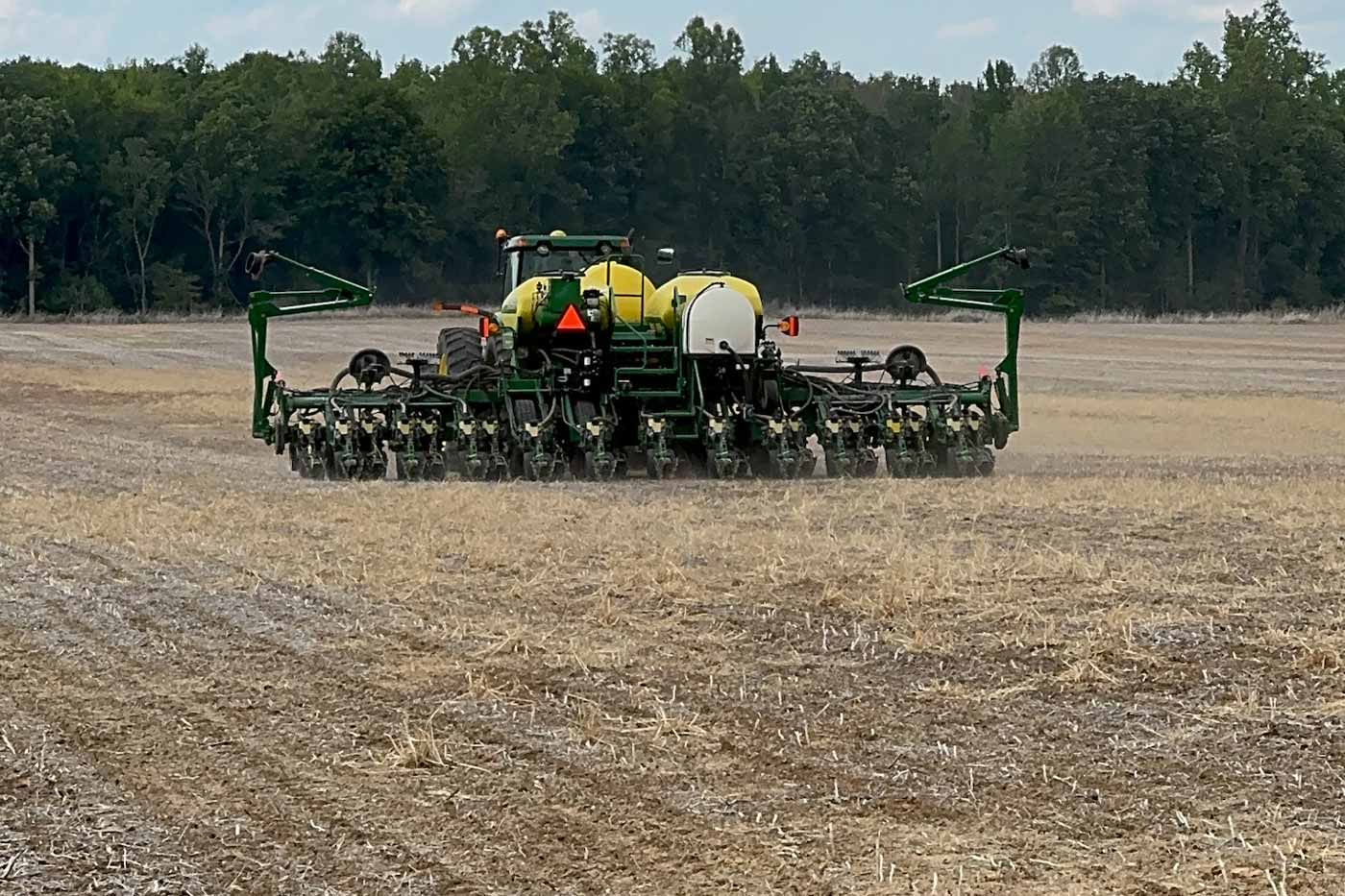
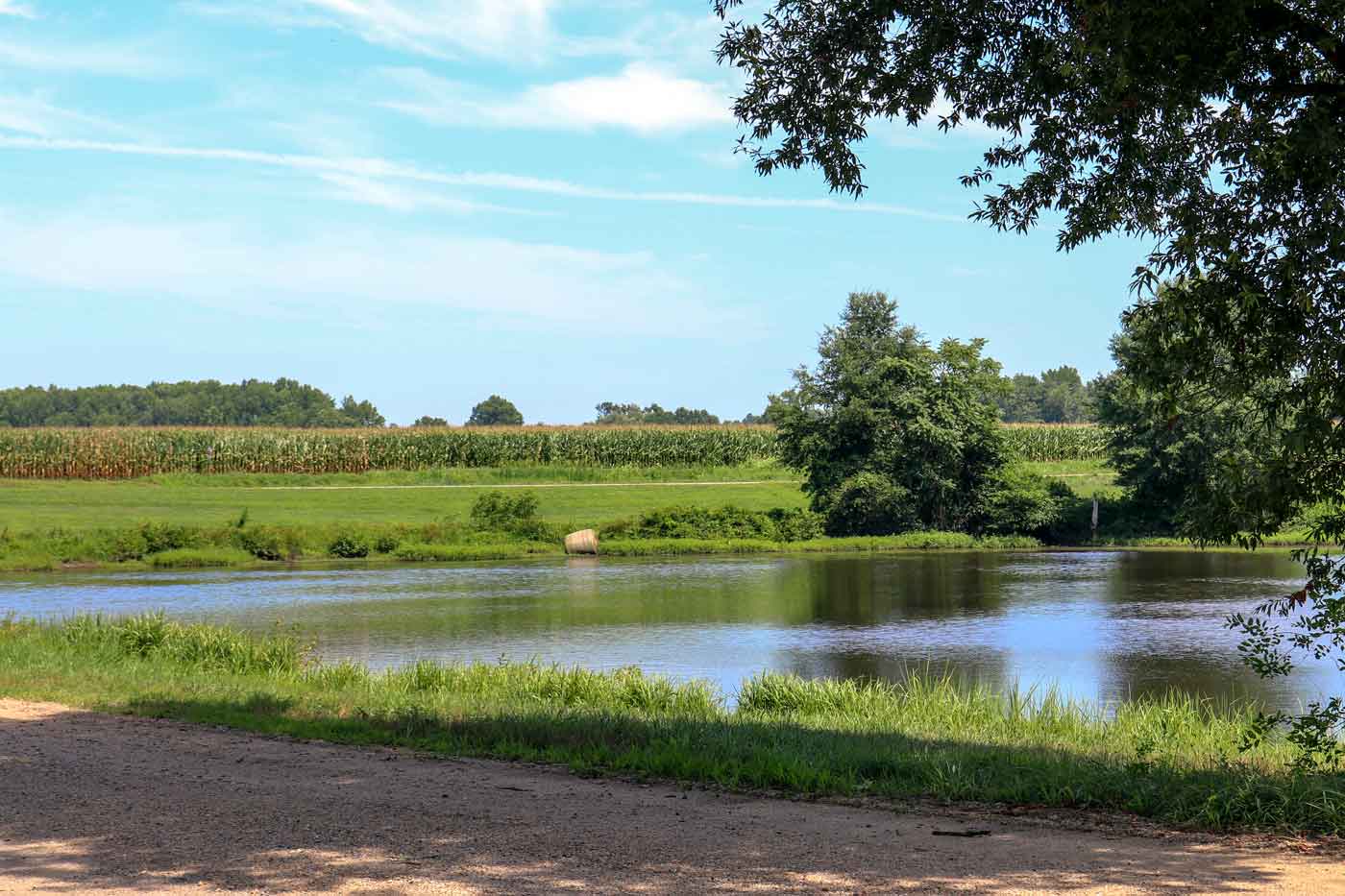
Farmers can receive up to $300,000 in state cost-share reimbursement for over 60 best management practices. BMPs include cover cropping, nutrient management, livestock stream exclusion, forested or herbaceous buffers or rotational grazing. These voluntary practices are intended to minimize undesirable effects of agricultural activity on the local environment and water resources.
“These practices are the gold standard in protecting water quality, improving soil health and supporting the long-term sustainability of agriculture and forestry—Virginia’s largest private industry,” said Martha Moore, Virginia Farm Bureau Federation senior vice president of governmental relations.
Local soil and water conservation districts facilitate the program, working directly with farmers to distribute funding and provide technical assistance, administered by the Virginia Department of Conservation and Recreation.
“With the new allocations effective July 1, we’re encouraging farmers to reach out to their local SWCD and ask about eligible practices,” Moore added.
The program has distributed hundreds of millions to farmers and landowners since its inception in 1984. Projects must:
- Be approved in advance by the local SWCD board.
- Meet technical specifications of the VACS program.
- Pass a field inspection, if required, prior to receiving payment.
- Be subject to spot checks throughout the project’s lifespan.
“Virginia’s soil and water conservation districts are ready to engage with producers, deliver technical support, and ensure that these funds translate into tangible improvements on the ground,” said Kendall Tyree, executive director of the Virginia Association of Soil and Water Districts. “We applaud the governor and the general assembly for their historic support of voluntary conservation initiatives and look forward to supporting Virginia’s agricultural community through our district offices.”
Farm Bureau leaders already are strategizing ahead of future general assembly sessions. VFBF’s 2025 policies support fully funding $319.34 million needed for FY 2027 and FY 2028 for the VACS program to help the commonwealth meet its water quality goals.
Visit dcr.virginia.gov/soil-and-water/swcds to find your local SWCD office, and dcr.virginia.gov/costshare for more information about the VACS program.
Media: Contact Moore at 804-347-5752.