ZUNI—More than a few passing showers are needed to fully quench agricultural lands parched from persistent drought statewide.
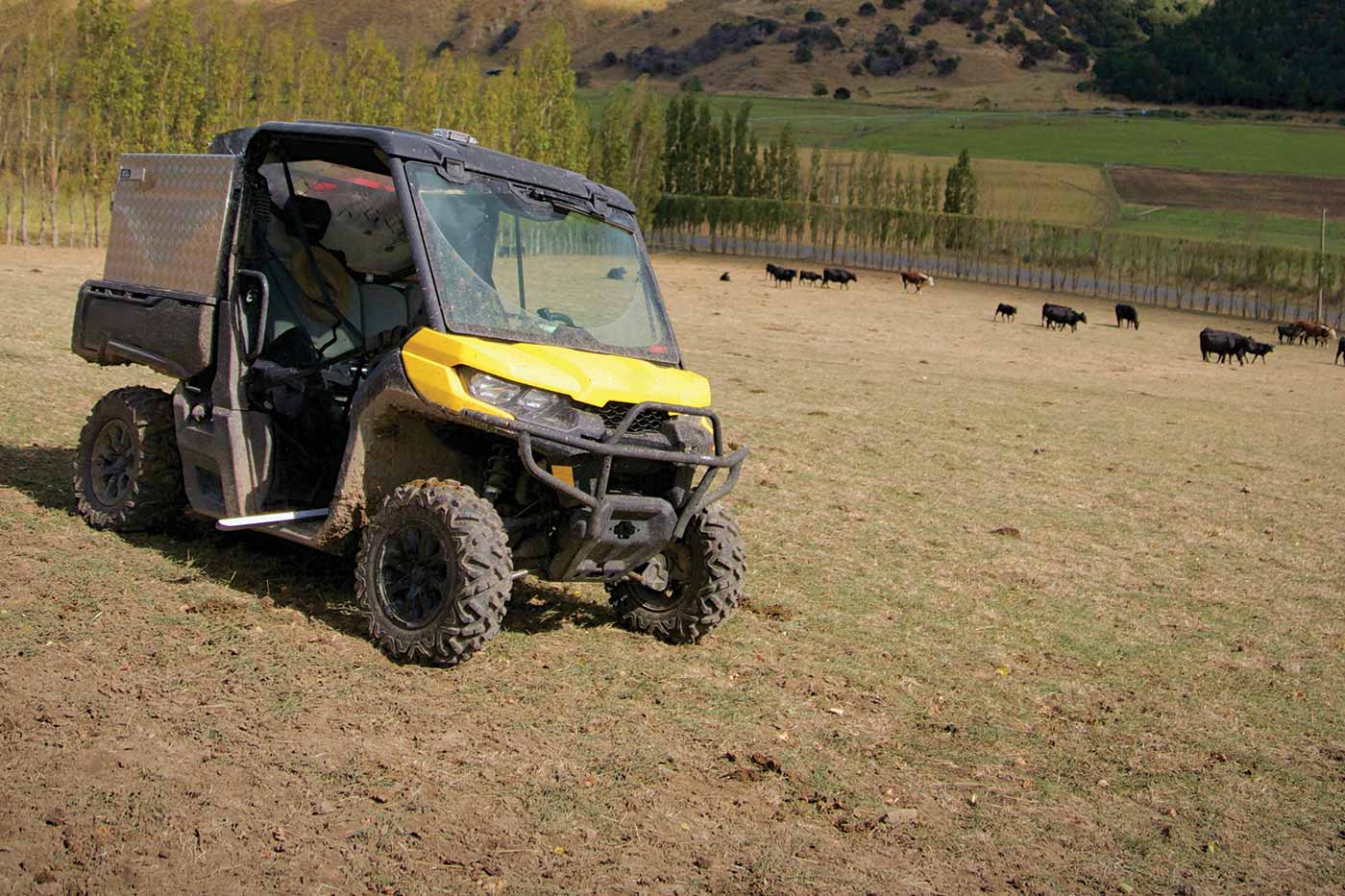
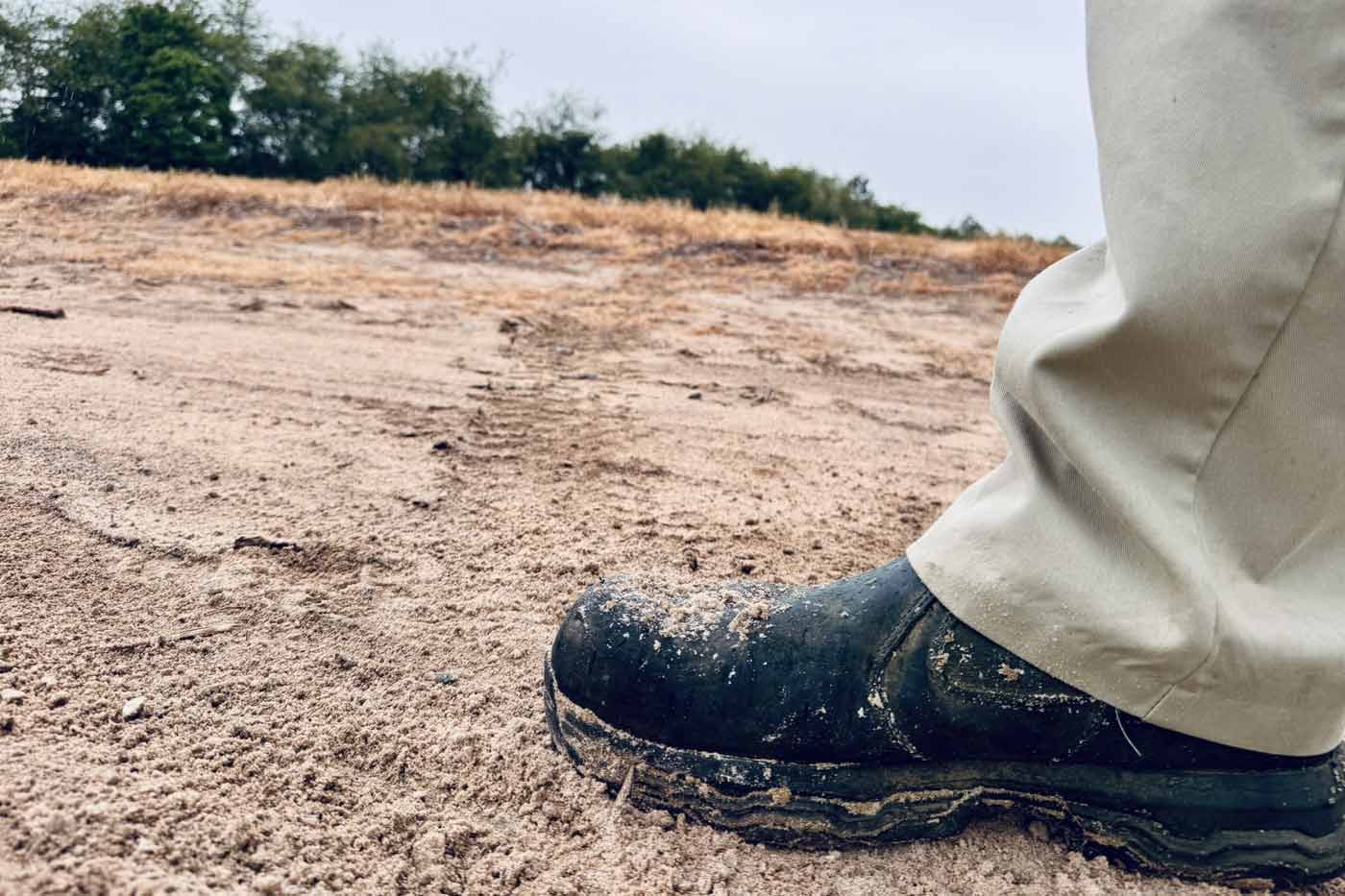
Drought conditions are considered “severe” across Virginia, according to the U.S. Drought Monitor, including a swath of extreme drought in southeastern counties. Incoming rain totals may have little impact on the ongoing drought conditions, according to the U.S. National Weather Service Wakefield Forecast Office.
The Virginia Department of Environmental Quality, in coordination with the Virginia Drought Monitoring Task Force, has expanded a drought warning advisory to 83 counties and 31 cities.
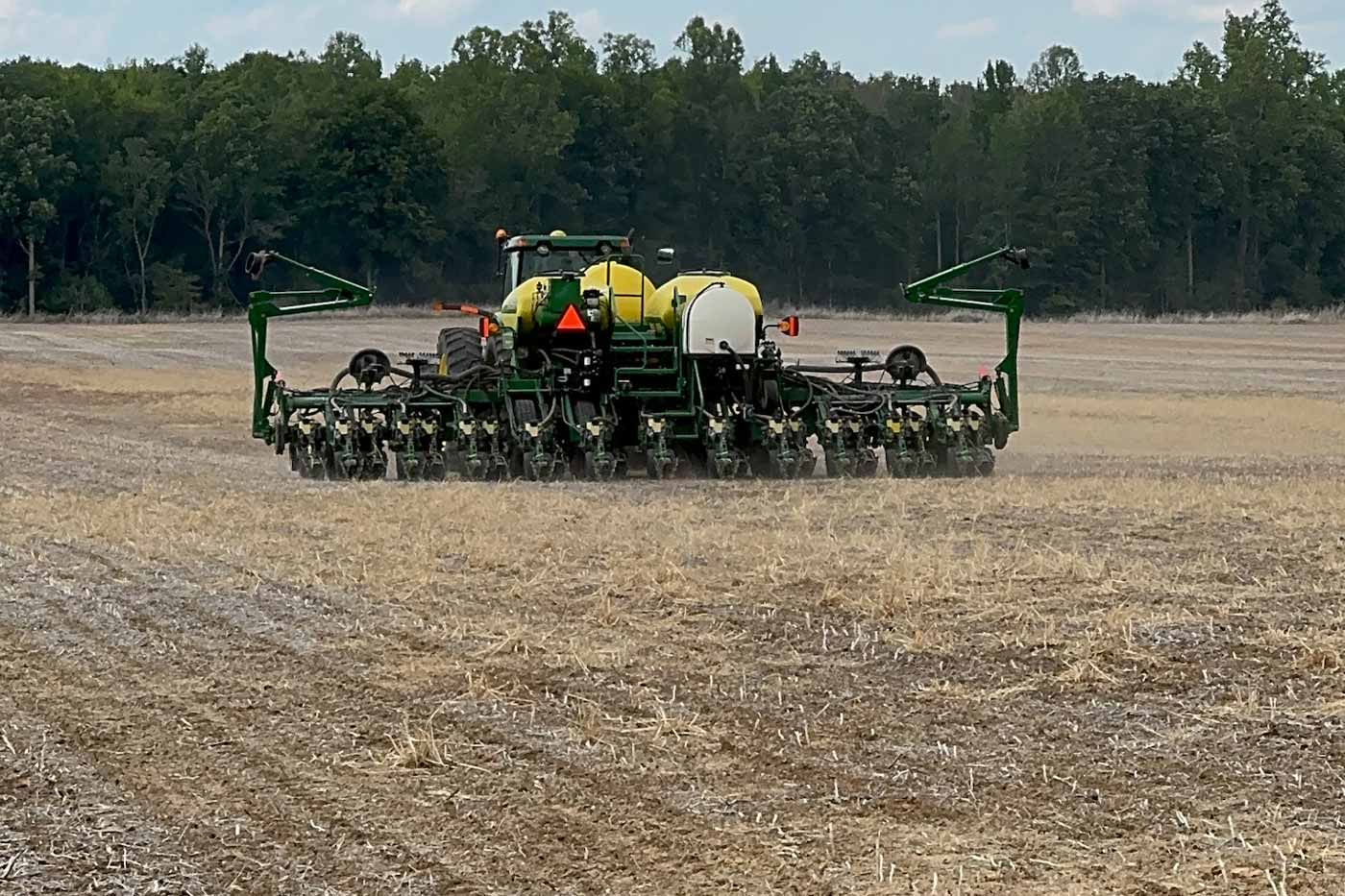
And across Virginia’s farmland, fewer pieces of spring planting equipment are moving through corn, cotton, peanut and soybean fields.
Last month was Virginia’s 17th driest March since 1895.
“In my lifetime as a grower, I haven’t seen it like this,” said Southwest Virginia farmer Scott Sink, President of Virginia Farm Bureau Federation. “Planters are sitting still, and there’s no significant rain forecast anytime soon. Combined with the recent frost and high input prices, these drought conditions may have some farmers facing tough choices this season.”
In Central Virginia, soils had enough moisture for corn planting during previous weeks, said Taylor Hubbard, Virginia Grain Producers Association director of government affairs.
“But planting soybeans went full stop because of persistent drought conditions last week in particular,” he reported on April 28. “If we have a little rain in the coming week, I think soybeans will go into the ground. But if we don’t get anything in the next 10 days—reg flags will be flown.”
As soybean growers remain tentative, cotton and peanut farmers are waiting out the drought.
Gary Cross of Southampton County, who grows cotton, peanuts, corn, wheat and soybeans, has endured his share of Virginia summer droughts.
“But it’s highly unusual in springtime,” he said. “And the worst I’ve ever seen.”
Cross, who represents central Virginia farmers on the VFBF board of directors, is “not putting out $120 an acre’s worth of cotton seed” without adequate moisture in the soil for germination.
“If I had a crystal ball, I’d see us planting on through May,” Cross said. “And if peanuts are planted too much later, you risk an early fall frost when it’s time to dig.”
He said some farmers got an early start planting corn and soybeans, and those who didn’t are now waiting for rain.
If growers have irrigation, they’ve turned that on, Hubbard added.
“But we don’t have a lot of irrigated cropland in the state,” he said. “Droughts have a severe impact on total farm income, especially for a row crop producer.”
About 120 miles north, Essex County farmer Jay Hundley stopped his spring planting two weeks ago due to drought. He still has corn and soybeans left to plant on cropland spanning counties throughout the Northern Neck and Middle Peninsula.
It’s the driest April in memory.
“My father is 89, and he doesn’t remember it ever being this dry this early either,” he said.
In the meantime, Hundley is irrigating his tracts of corn and small grains, while keeping an eye on unseasonably elevated levels of water salinity.
“There are no beans yet, but if it doesn’t hurry up and rain, we’ll be pumping water on that too,” he said. “Some wheat fields are OK, and other aren’t looking good. But, if we get some rain, I could make half a crop.”
Between this drought and that freeze, “My barley crop isn’t expected to yield a bushel an acre,” Hundley continued. “Hay crops are struggling too.”
It always rains at some point, he said, “But I’d prefer sooner than later.”
If rain stays scant, Hundley said he will focus his efforts and inputs on crops planted under irrigation pivots, as field edges succumb to drought.
There’s only one other strategy this season, he professed.
“Just get on my knees and pray.”
Media: Contact Hubbard at 804-426-4070; Cross at 757-630-8370; or Hundley at 804-443-7120.