RICHMOND—The East Coast’s first cold snap of the season brought freeze warnings across Virginia and served as a timely reminder for homeowners to prepare for the coming winter.
It may still be fall, but more cold weather is on its way. According to the Insurance Institute for Business and Home Safety, the most common winter-related property destruction includes roof damage or collapse from snow, ice or sleet, and water damage from burst frozen pipes or ice dams.
“Extreme temperatures can wreak havoc on a homeowner’s largest asset,” said Kim Price, farm and field underwriting manager for Virginia Farm Bureau Mutual Insurance Co. “From a claims perspective, we see this in the form of frozen pipes and damage to roofs from the elements.”
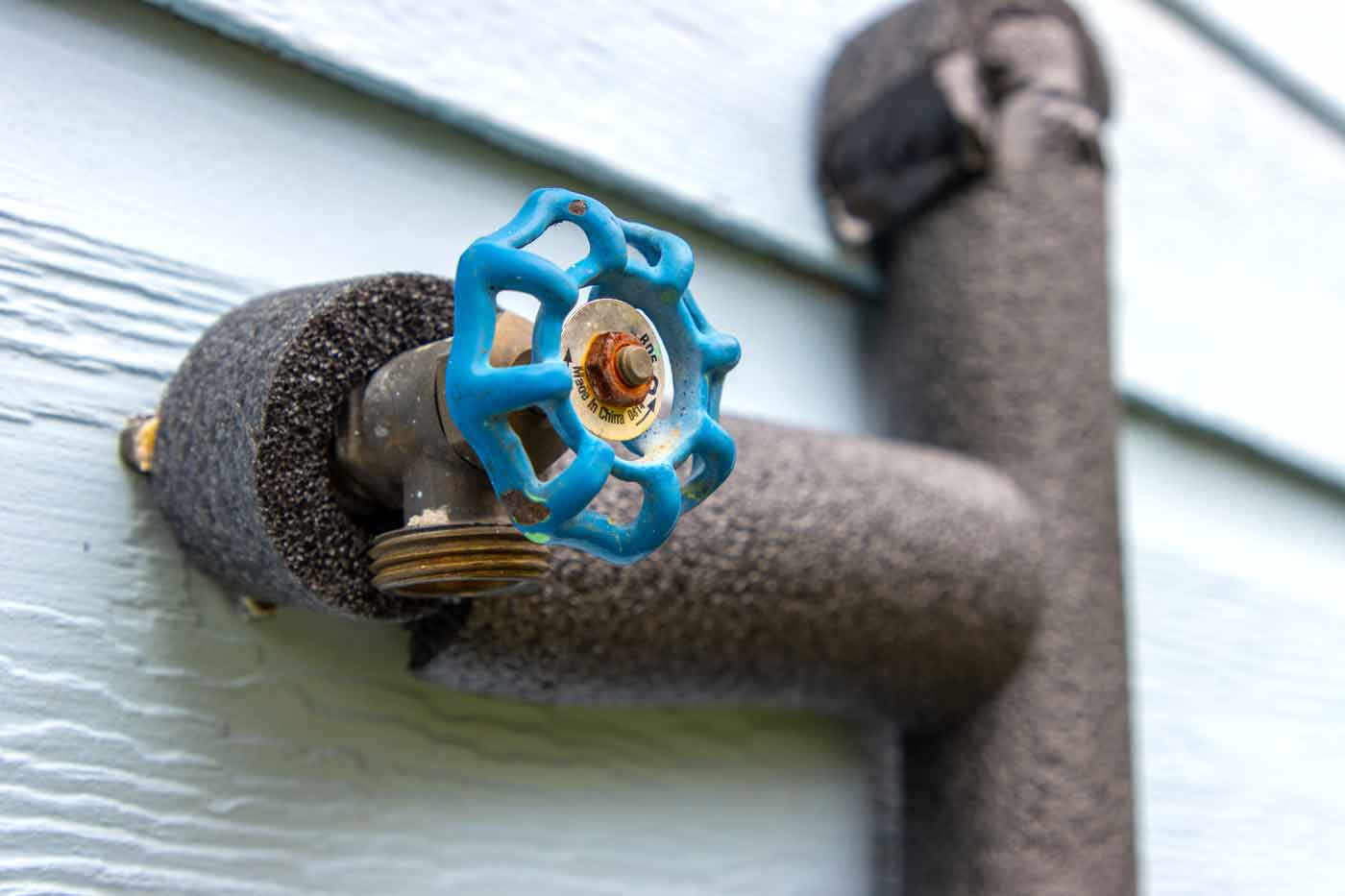
When prepping a house for winter, prevent frozen or burst pipes in attics, basements, crawl spaces and other minimally heated areas by wrapping them in pipe insulation. Keep cold air outside, and increase energy efficiency by caulking and sealing any cracks or gaps and adding weather stripping around doors and windows.
“If you’re traveling, maintain reasonable temperatures to keep pipes from freezing and have someone checking on your home,” Price said. “For extended stays, turn off your main water supply and drain remaining water from pipes.”
Stay cozy by servicing and maintaining home heating systems, and schedule a tuneup or any preventive maintenance. If using a fireplace or woodstove, have the chimney inspected and cleaned, and check smoke detectors.
“When using a supplemental heating unit like a space heater, keep it on flat surfaces and 3 feet away from flammables, don’t use extension cords, and plug it directly into the wall outlet,” she cautioned. “Always turn it off when not in use.”
As for the home’s exterior, check your roof for loose and broken shingles, repair leaks and inspect seals around edges, vent stacks, skylights and chimneys. Remove debris and clean gutters, downspouts and drains. Downspouts should divert water at least 3 to 4 feet from the foundation.
Snow and ice can weigh down trees, so keep limbs trimmed, away from the house and remove any dead or dying trees. Insulate outdoor faucets, turn off valves, drain and store hoses, and shut off sprinklers.
Keeping you and your family safe is paramount too. Be proactive by having an emergency communication plan in the event of a severe winter storm or power outage. Keep an emergency kit with water, nonperishable food, blankets, flashlights, first aid kit and backup heating source, Price advised.
Tune into local weather forecasts to stay updated on severe weather alerts, and know where to seek warm shelter, if needed.
Finally, know what your insurance policies cover, and document belongings and valuables in the event of a loss. Scheduling a call with your insurance agent can ensure your coverage is current and your property remains protected.
Visit ibhs.org for a complete winter checklist.
Media: Contact Alice Kemp, VFB communications, at 804-290-1138.