The changing seasons call for careful preparation of your perennial plants, and knowing what to avoid is key to cultivating a thriving spring garden.
The Old Farmer’s Almanac offers a list of which perennials to leave alone and cut back in the fall, along with advice on methods and timing to avoid damage and disease.
It’s a good idea to avoid cutting down every perennial plant. In nature, many perennials’ dying leaves protect them from the cold and provide natural fertilizer, and the stems benefit pollinators. And technically, very few plants need to be cut down in the fall.
Wait to cut things down until after several hard frosts. Even if the flowers or leaves are dead, the roots reclaim energy from the dying plant for spring growth.
To add winter interest and help nourish birds, leave as many flower seedheads standing as possible. The decomposing leaves will insulate the plant during winter freezes and provide excellent fertilizer in the spring.
Some perennials should be left alone, including:
- Evergreen perennials such as epimediums, heucheras, hardy geraniums, dianthus and moss phlox.
- Others that are considered evergreen, such as candytuft, hens & chicks, heaths and heathers. Tidy them up in the spring as needed.
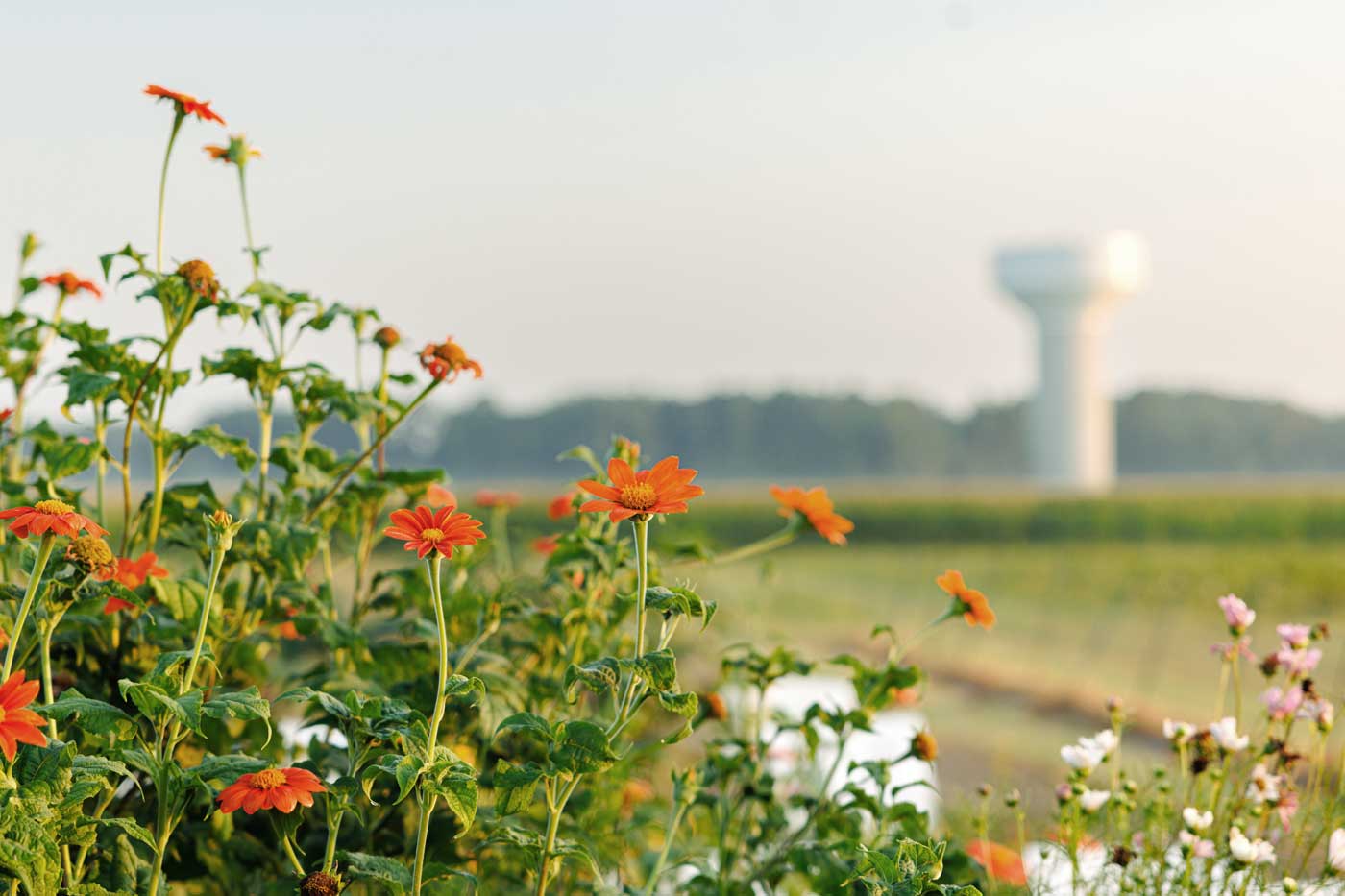
- Hardy perennials like garden mums, anise hyssop, red-hot poker and Montauk daisy.
- Pulmonaria and penstemons.
Other perennial plants are more susceptible to issues if the old foliage and dying stems are left to rot. Diseases, slugs and other pests can overwinter in dead foliage; and old stems can get damaged by fall and winter winds, impacting the plant’s crown and roots.
Badly damaged or infested foliage should be cut back and removed from infected plants as soon as possible. Any diseased or bug-infested plants and their debris should be removed from the garden and destroyed.
The Old Farmer’s Almanac recommends cutting back a small handful of perennials in the fall, including:
- Bee balm and phlox, which are prone to powdery mildew. Cut them back once the flowers finish.
- Peonies, which can spread fungal diseases. Gather a handful of stems and cut them off 2-3 inches above the soil.
- Hosta foliage after a hard frost, including any leaves on the ground, as they may harbor slug eggs and prevent new spring growth. Don’t cut the leaves to the ground—leave about 2-3 inches of each stem standing to protect the crown during winter.
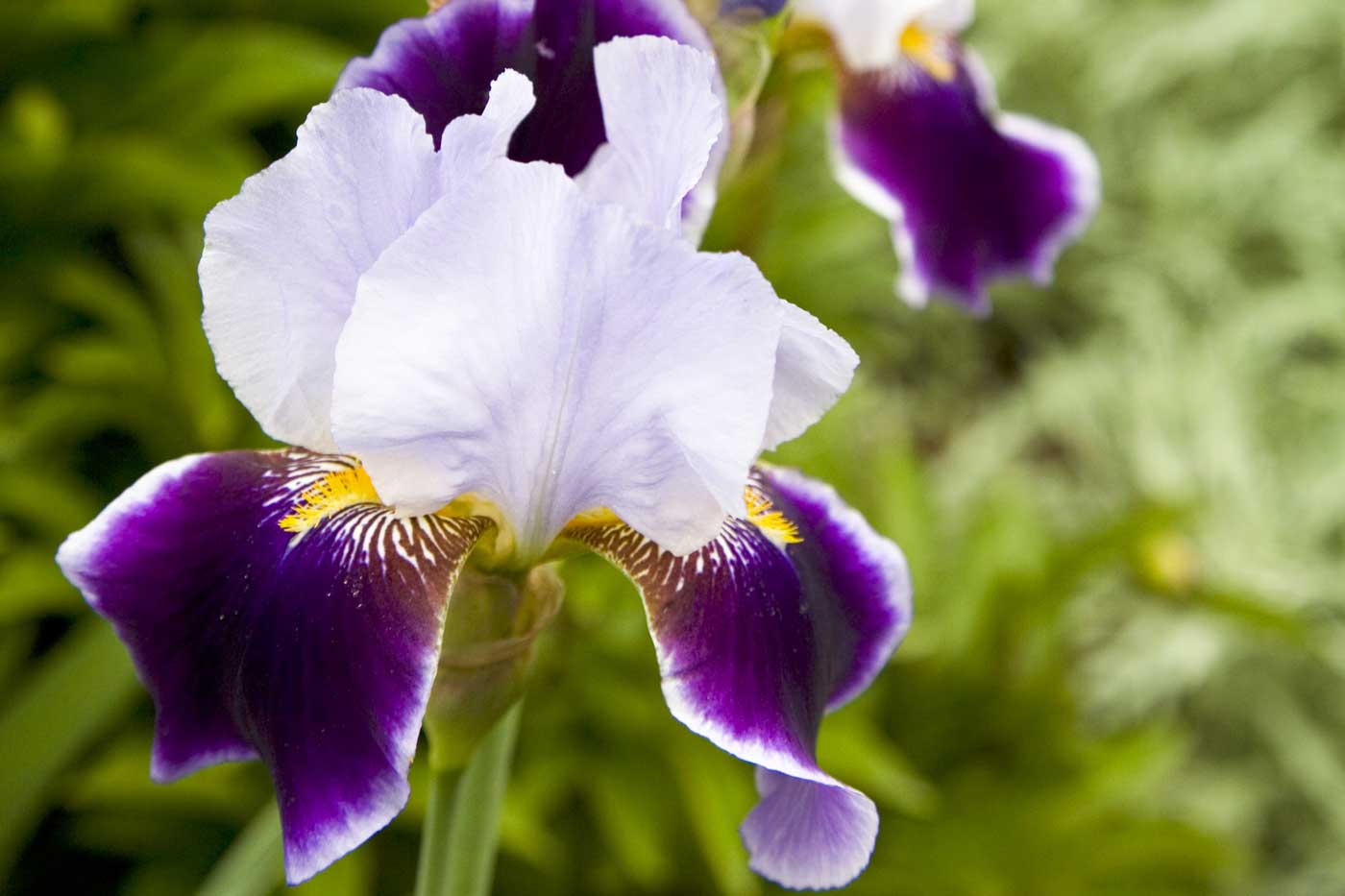
- Bearded irises need a clean garden bed for disease resistance. The iris borer’s eggs overwinter on the leaves and stems of the mother plant. Cut back and destroy the leaves to reduce or eliminate borers from your garden. Wait until after the first frost, as the iris borer moth remains active until then.
Other fall gardening tips:
- Don’t fertilize in the fall, which would encourage new growth that gets killed from cold weather.
- Before the ground freezes, do a final weeding so you have less to take care of in the spring. Edge your beds one last time to start the year with a tidy look.
- Water-stressed plants will have a hard time surviving the winter. If your area has been dry this growing season, keep watering your plants until the ground freezes.
For more fall gardening tips, visit The Old Farmer’s Almanac website.