May marks Mental Health Awareness Month, and researchers around the world have explored the restorative effects of cultivating thriving green spaces.
Gardening has shown to help restore dexterity and strength, improve cardiovascular health, lower stress and anxiety, lessen depression, and contribute to an overall sense of meaning. Even soil microbes contain a natural antidepressant, according to The Old Farmer’s Almanac.
Gardeners can maximize their self-care routines by cultivating plants with soothing effects—like calming herbs that also can be grown indoors.
Herbs like lemon balm, catnip and holy basil are called “nervine herbs” as they act upon the nervous system to produce a mildly relaxing effect—reducing stress with pleasing flavors and aromas while supporting pollinators.
The Almanac offers tips for growing and using calming herbs that promote everyday well-being:
Lemon balm
Studies have shown that lemon balm can improve secondary memory and the ability to learn. Additionally, brushing its leaves releases a soothing minty fragrance, and crushing a handful against your skin may help deter insects.
Make a relaxing tea with the fresh or dried tangy leaves. Pour 1 cup of boiling water over 5-6 fresh leaves or 1 teaspoon of dried leaf. Steep for 5-7 minutes. Strain, and add honey or mint if desired. Drink several times a day.
For a refreshing, lemony drink, simply add crushed leaves to cold water.
A perennial, lemon balm grows 1-2 feet tall in sun to partial shade, requires good soil, and is easy to grow from seed. Since it’s in the mint family, plant it in a bottomless bucket or enclosed bed to keep it from running all over the garden. Harvest the top third of the plant before it flowers, and hang to dry.
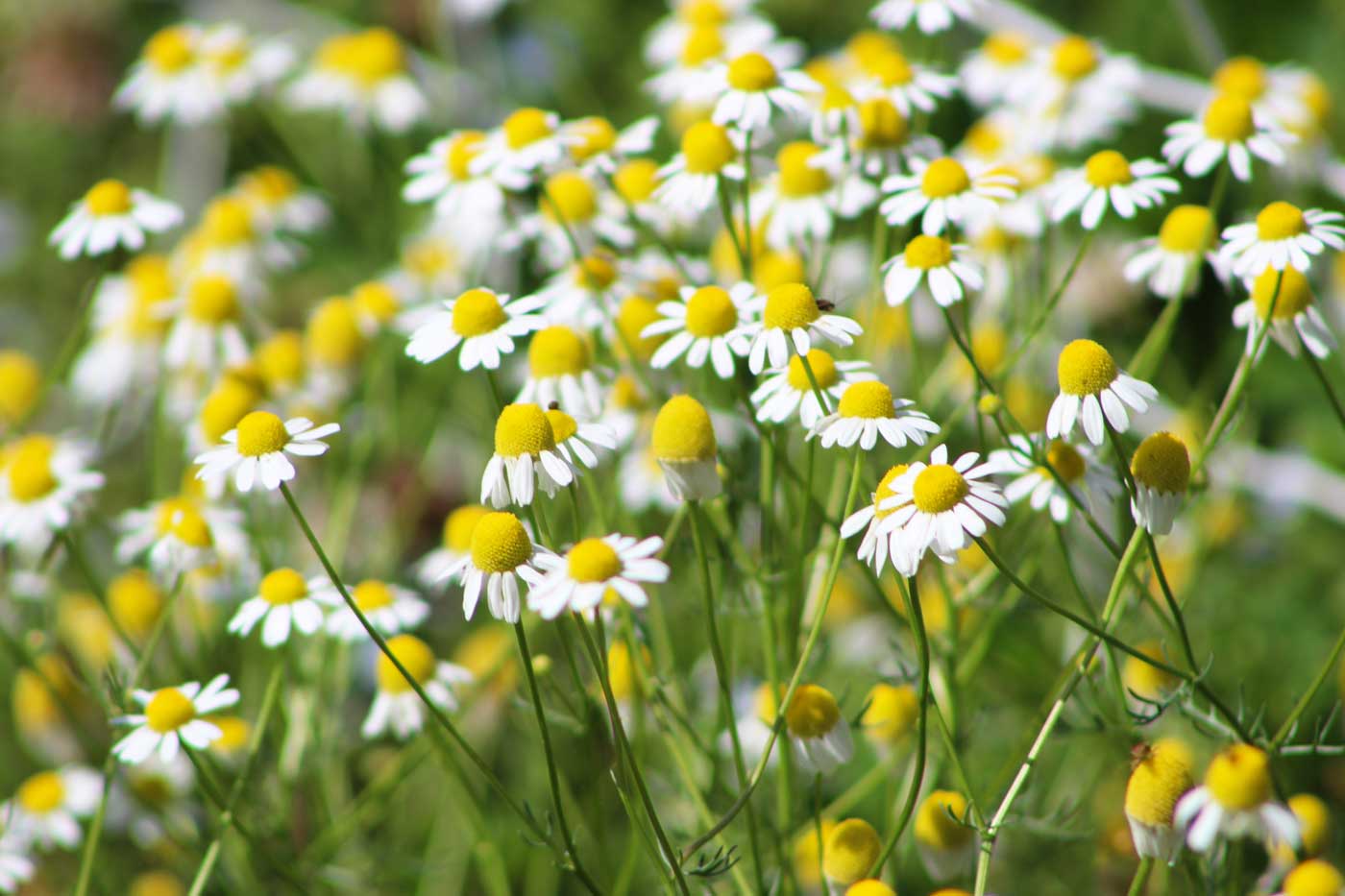
Chamomile
Chamomile can help soothe a nervous stomach and ease depression and anxiety when used in in modern herbal treatments. It’s also known to help alleviate insomnia, relax muscle tension, and soothe irritated or inflamed skin.
Make a relaxing tea by using fresh or dried flowers. Pour 1 cup of boiling water over 1 teaspoon of herbs. Steep for 5-7 minutes, or longer for more powerful calming effects.
You also can add chamomile to your bath for a relaxing soak, and fill a sachet or clean cotton sock with chamomile and place in dresser drawers.
An annual, chamomile can grow up to 2 feet tall, likes full sun, and is easy to grow from seed. Pick and dry the blossoms when they are fully open.
Lavender
Lavender produces slightly calming, soothing and sedative effects when its scent is inhaled. Aromatherapy with lavender may help slow nervous system activity, improve sleep quality and concentration, promote relaxation and reduce anxiety.
Make a calming tea by boiling 8 ounces of water. Place 4 teaspoons of fresh lavender buds into a tea ball or sachet. Place the tea ball and boiled water into a teacup, and let steep for 10 minutes.
A perennial that’s native to the Mediterranean, lavender can be challenging to grow in some regions. It likes dry alkaline soil of poor-to-average fertility—not too rich or wet. Harvest stalks before the buds open and hang to dry.
Catnip
Not just for cats’ enjoyment, this fragrant, minty herb with white flowers can help calm nerves, soothe digestive systems, and induce a mild drowsiness.
Drink as a tea 2-3 times a day to enjoy its benefits. Pour 1 cup of boiling water over 2 teaspoons of dried catnip leaves or flowers. Steep for 10-15 minutes. Add lemon juice and honey, if desired.
A perennial that’s easy to grow from seed, catnip reaches about 3 feet tall, likes full sun, and does well even in poor dry soil. Save some for the winter by harvesting the top third of the plant before it blooms and hang it to dry. Let a few branches blossom for the bees.
Holy basil
Tulsi or holy basil has been shown to have antidepressant and antianxiety properties. Unlike the sweet basil found on pizza, it has a bold, peppery flavor.
Use fresh or dry leaves to make a tea. Pour boiling water over ½-1 teaspoon of tea leaves per cup of water. Steep for 5-7 minutes, or longer for a stronger flavor and more beneficial compounds.
As a warm-weather annual, it’s easy to grow from seed, does well in full sun to partial shade, and grows up to 2 feet tall in rich, moist soil. It can be grown in a container to bring inside for winter.
Visit the Virginia Cooperative Extension publications page for a helpful guide on herb culture and use.