After pouring countless hours into the garden, many gardeners may be itching for downtime in the winter. Before hanging up the gardening hat for the year, set yourself up for success with a final cleanup checklist.
Fall cleanup can make tasks much easier in the spring and improve your garden’s health. Generally, cleanup begins after the first killing frost or when annual plants are fading or dying.
The Old Farmer’s Almanac offers a fall vegetable garden cleanup checklist with important to-dos before temperatures plummet:
- Remove spent plants and garden debris. Any diseased or bug-infested plant and their debris should be removed from the garden and destroyed—never added to compost. Chop off beans and peas at ground level, leaving their nitrogen-fixing roots in the soil to feed next year’s crops.
- Start composting with fall materials. Break up material into smaller pieces and start or add to a compost pile to incorporate rich organic matter back into the garden. Compost everything unless it’s already diseased. Click here for more composting tips.
- Weed your garden one last time. Just one weed left to mature can produce thousands of seeds. If your soil is hard and dry, water your garden a few hours before weeding to help loosen the soil.
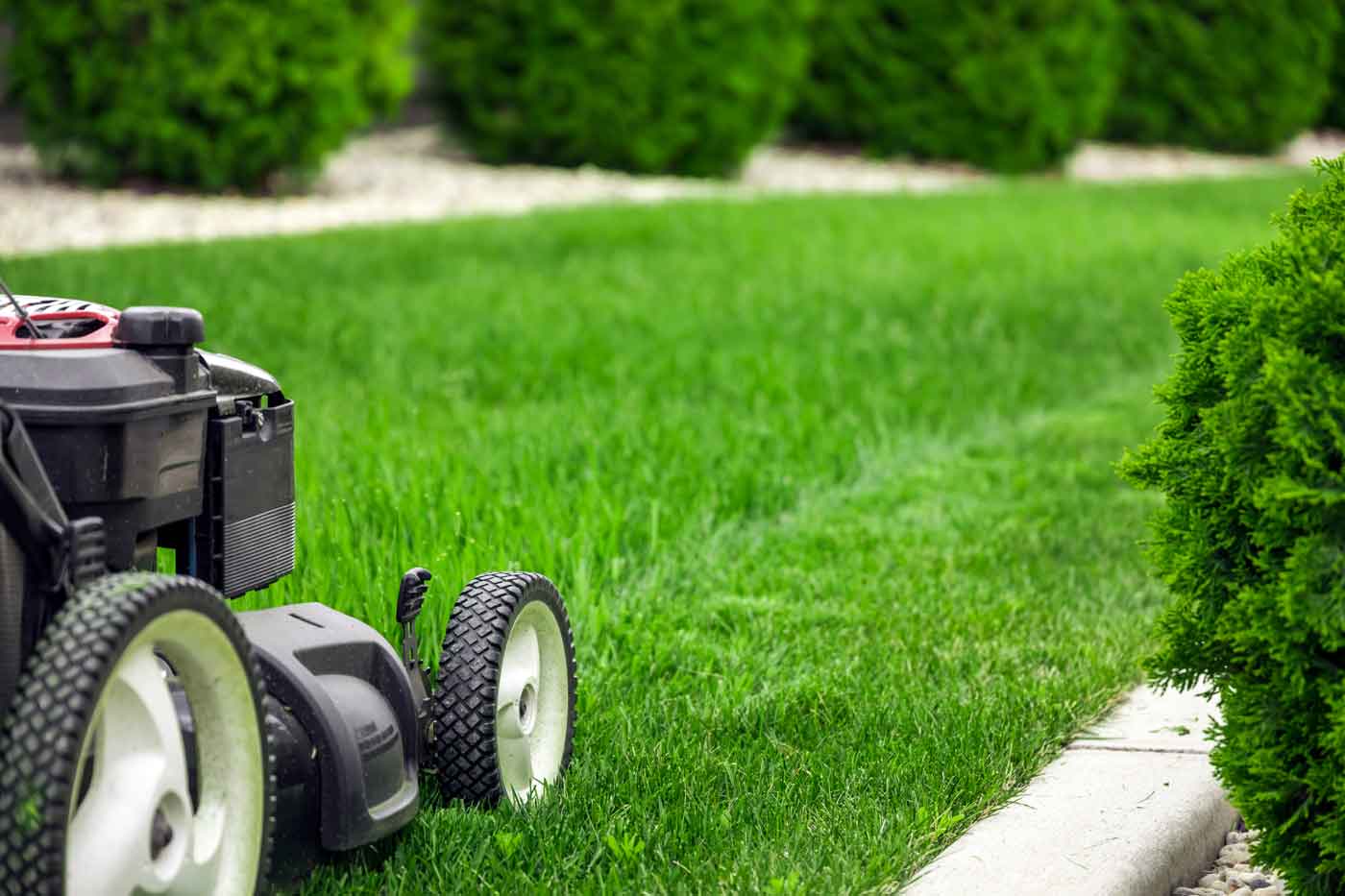
- Create new garden beds—no digging necessary. Set your mower as low as possible and scalp the grass; cover the area with a thick layer of newspapers; cover the papers with a layer of compost; and top everything off with tons of chopped leaves.
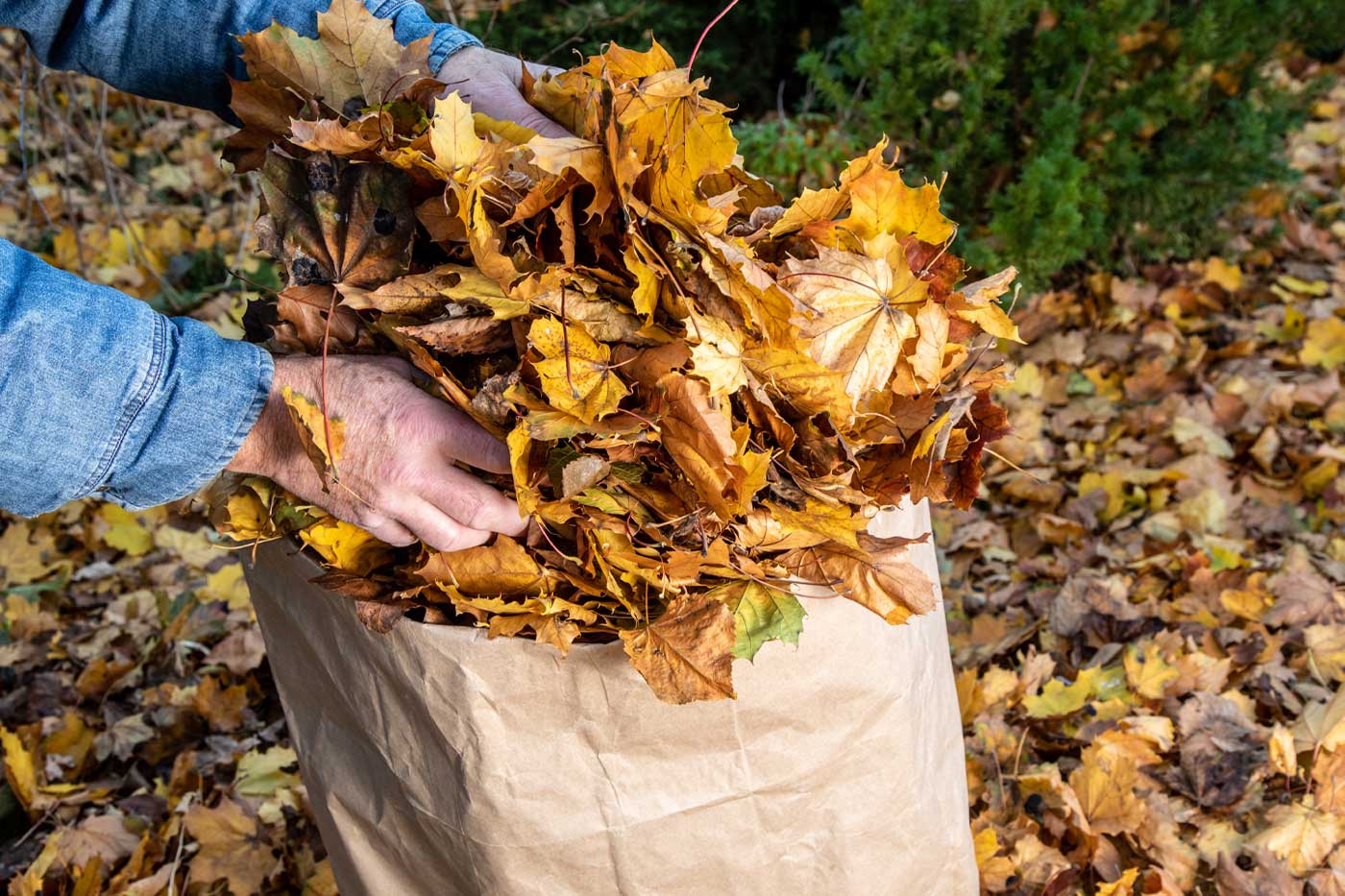
- Use fall leaves for mulch and compost. To make fall and winter mulch, rake the leaves onto your lawn, run them over multiple times with a lawn mower, then rake them back into your perennial and shrub beds. Leave a few piles of leaves to provide shelter for overwintering pollinators, beneficial insects and wildlife, and create compost for the spring.
- Protect fruit trees from rodents. Mow around trees one last time to discourage nesting. Install rodent guards made of fine mesh cloth around tree bases to keep rodents from eating the bark and killing the trees over the winter. Tree wrap material also can be useful.
- Replenish and protect your garden soil with compost, rotted manure or organic matter for microorganisms to break down through the winter. After your garden has gone dormant, lightly mix organic matter into the top 4 to 6 inches of your beds. This will allow for immediate planting in the spring without having to work the soil in wet weather.
- Plan crop rotation for next season. Make note of the locations of each vegetable planting. Avoid growing plants in the same family in the same spot year after year, which allows pests and diseases specific to that family to become entrenched. It also depletes soil nutrition.
- Test and improve your soil to see if it’s lacking nutrients or has an undesirable pH for growing certain plants. Click here for more information on obtaining representative soil samples and submitting them for analysis to the Virginia Tech Soil Testing Laboratory.
- Clean and store garden supports and tools. Remove all supports such as tomato cages, bean stakes and cucumber trellises. Wash off any soil, spray them with a two-to-one solution of water and bleach to kill disease, and store indoors. Clean, sand and oil your garden tools before storing them for winter.
Other important fall to-dos:
-
- If leftover water could freeze in your area, turn off the water to your hose and drain it completely.
- Remove, clean and drain pumps and fountains before storing.
- Drain out the gas from your lawn mower or string trimmer.
- Clean out cold frames for a head start on spring vegetable growing.
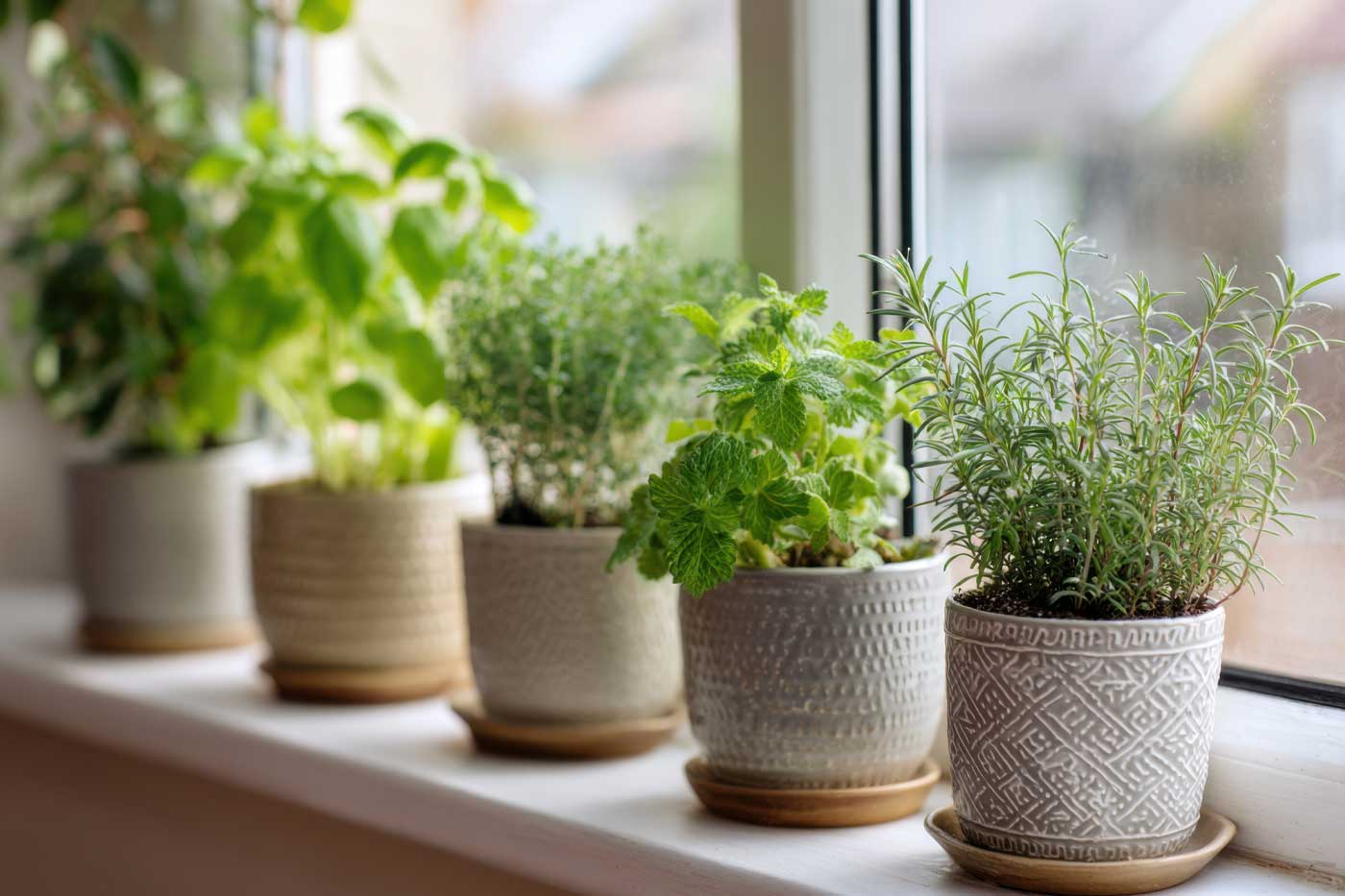
- Bring ceramic and clay pots inside to keep them from cracking in freezing temperatures. Dump the soil on your garden bed and sterilize pots with a diluted bleach solution. Don’t stack them.
Visit The Old Farmer’s Almanac website for more fall vegetable gardening tips.