RICHMOND—Soybeans and soybean meal are Virginia’s No. 1 export, earning the state over $1.4 billion in 2023.
Surprisingly, soybeans are so much more than edible foods like tofu and edamame. Soybean oil is an essential ingredient in hundreds of food products including margarine, salad dressings, breads, cakes, pies and cookies.
“If you look at the labels on Duke’s mayonnaise or Chick-fil-A sauces, soybean oil is one of the first ingredients,” said Rachel Gresham, executive director of the Virginia Soybean Association, which raises public awareness of soy’s uses and potential.
“In conjunction with the United Soybean Board, we work to support market development and end-uses for soybeans grown in Virginia,” Gresham continued. “For example, Goodyear utilizes U.S. soybeans into some of their tires. Skechers picked up that technology for the soles in the shoes I’m wearing right now!”
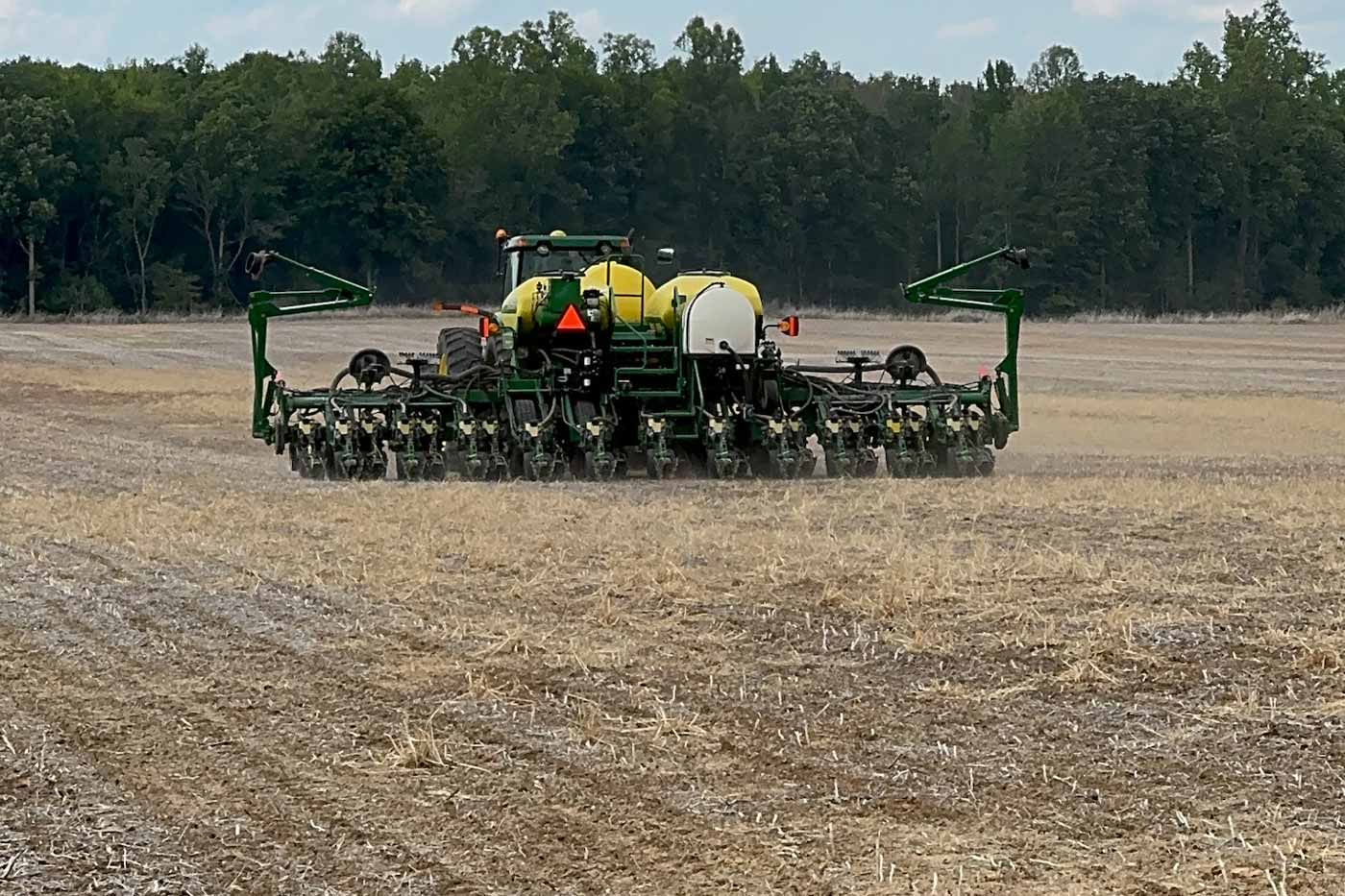
About 600,000 acres of soybeans are harvested annually in Virginia. Accomack County leads the pack at 29,000 harvested acres, followed by Mecklenburg, Sussex, Caroline, Essex and Northampton counties.
“Most of our soybeans are used for our poultry and livestock feed, so it ends up on our dinner tables one way or another,” said Robert Harper, grain marketing specialist at Virginia Farm Bureau Federation. “They’re little protein pills incorporated into a ration. But you can’t feed them to livestock or poultry without processing at some level.”
Perdue Agribusiness brings together grain trucks, barges and rail to load bulk vessels with soybeans and soybean products at its deepwater port in Chesapeake. They send bulk vessels and containers of soybeans and soybean products to the Port of Virginia for international trade. Perdue’s facilities crush beans for soybean oil, meal and soyhull pellets. These products are used in cooking oils, livestock and poultry feed, and biodiesels.
“My favorite thing about soybeans is how many unexpected products you can make with them,” Gresham shared. “SoyFoam® is one of those end-use initiatives.”
SoyFoam’s founder Alan Snipes of Cross Plains Solutions in Georgia has been working with the USB for almost 30 years, developing products with soy proteins.
An industry associate was working on a soy-based adhesive that had a problem with foaming. Meanwhile, a New York fire department was seeking a firefighter training foam that is non-toxic and biodegradable.
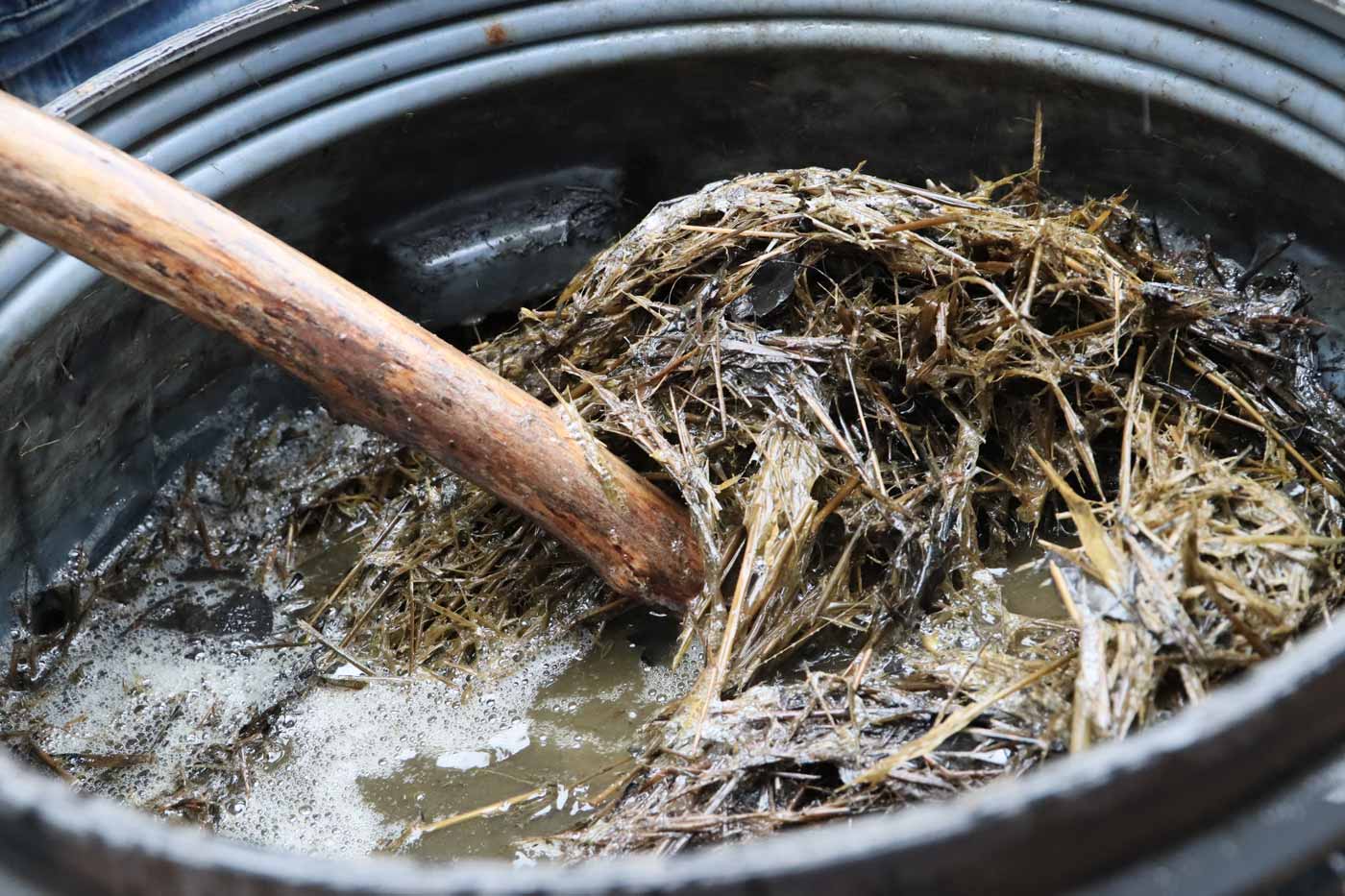
Snipes saw an innovative opportunity—mixing soy flour with water.
“All I know about firefighting is the red, shiny truck coming down the road,” he said. “But they asked to try the foam, which seemed to work pretty well.”
The product passed extensive testing for toxicity, soil and aquatic biodegradability, and sewer safety. For decades, “forever chemicals” like PFAS, or polyfluoroalkyl substances, have been used in firefighting foams. But with more awareness of PFAS’ environmental and health impacts, researchers sought safer alternatives like SoyFoam.
Gresham said her team has met firefighting families touched by cancer.
“It’s the safest product we could put together available on the market,” Snipes said. “We’re currently active in over 100 U.S. fire departments, picking up more every day.”
The company is currently working with the U.S. Forestry Service on certification to use SoyFoam in controlled burns.
Media: Contact Gresham at 804-466-1693.