ROANOKE—As statewide vineyards take on dazzling fall hues, Virginians can savor the season’s sights with exquisite local wines.
This October, the commonwealth celebrates its 39th annual Virginia Wine Month—honoring the state’s vibrant, varied and ever-evolving wine sector.
According to the 2022 Census of Agriculture, 538 vineyards grow grapes across more than 40,000 acres statewide, generating $3.5 million in total market value. A separate industry impact study said Virginia’s grape wine sector generated over $6 billion for the state when considering wages, tourism dollars and other indirect impacts.
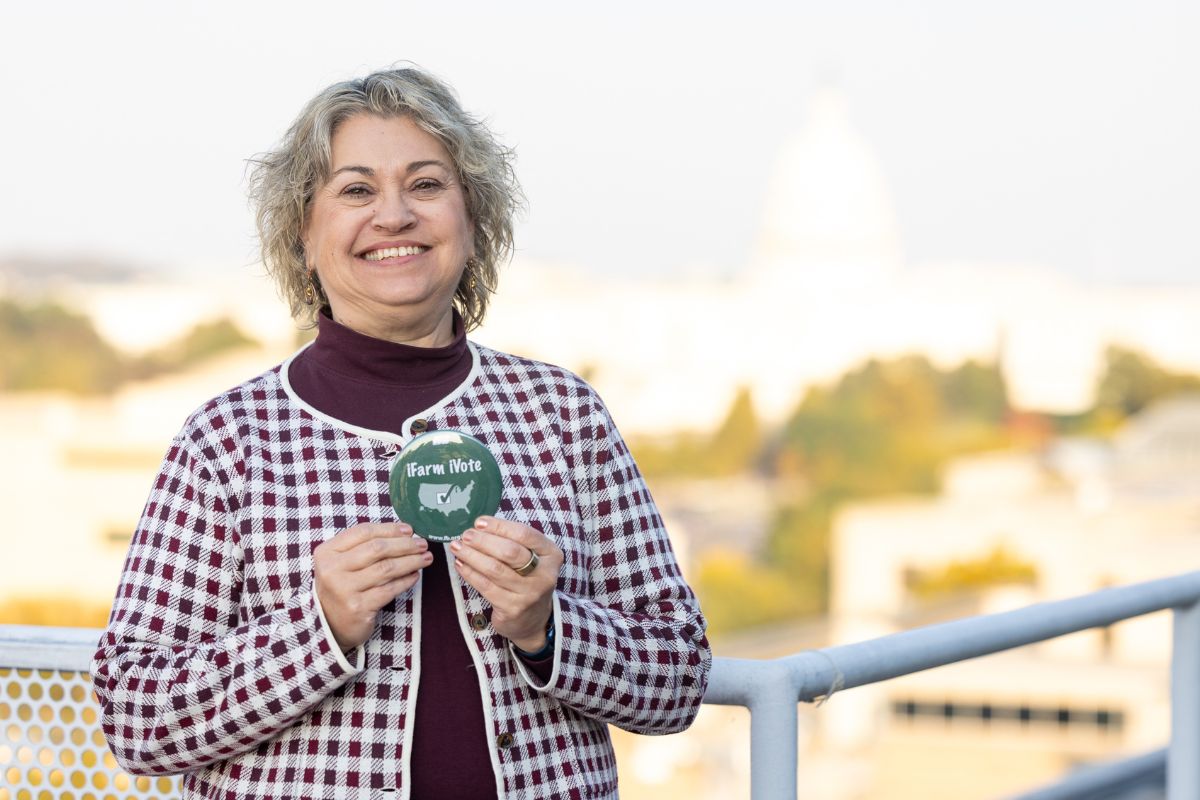
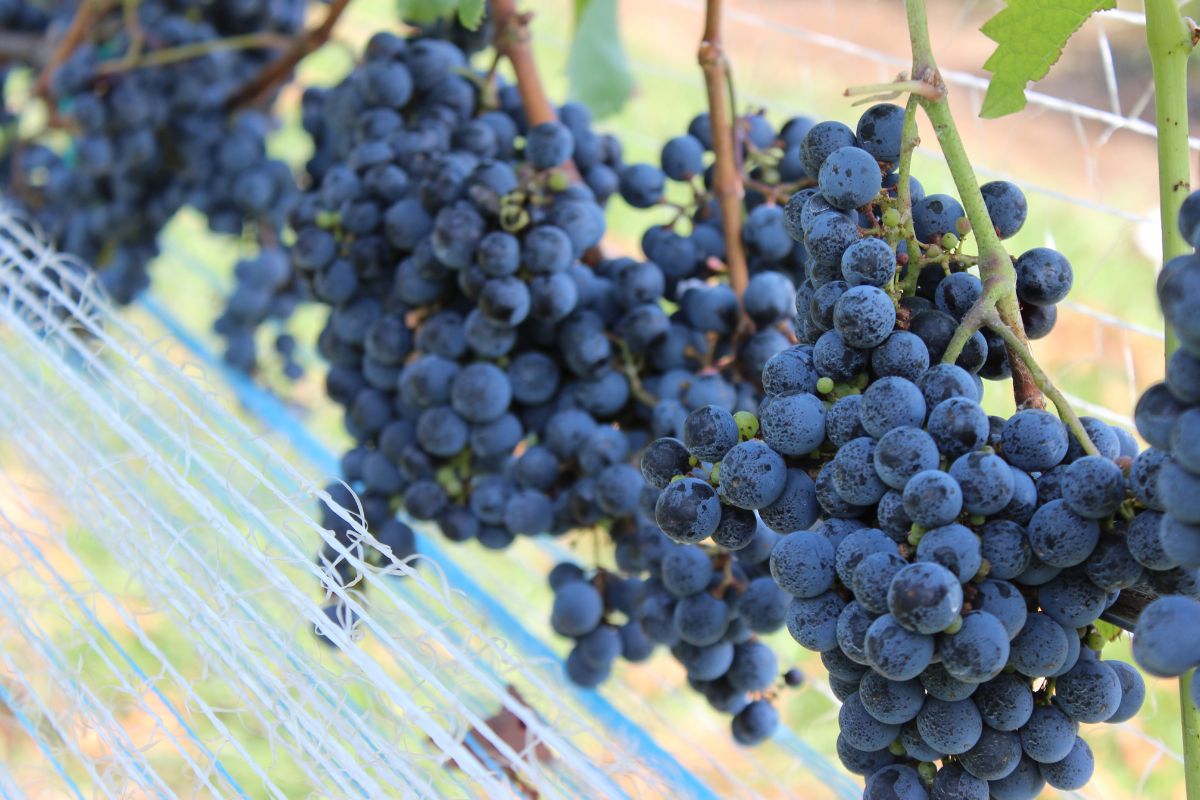
While a sweeping April freeze “drastically” cut into grape yields, wine enthusiasts can look forward to a high-quality vintage, according to Megan Seibel, chair of the Virginia Wine Board and co-owner of 15 Peaks Vineyard in Roanoke.
“A lot of winemakers have chosen to make smaller quantities of wine this year and really focus on the quality,” she noted. “And because it was such a dry summer, the fruit that was harvested is really good, so (this year’s vintage) will be pretty special.”
Despite popular misconception, grape growing is a year-round endeavor. Much of Seibel’s crew works 10-hour days, seven days a week, from winter through harvest to produce high-quality grapes—from managing vine growth and monitoring pests and diseases to preparing for the intense demands of harvest season.
“Fall is my favorite time of the year, because it’s the culmination of all the effort,” she reflected. “Harvest season is the most physically taxing, but going to bed exhausted and satisfied that the crop is in is really fulfilling.”
Seibel founded 15 Peaks Vineyard over 26 years ago on 4 acres of land owned by her father-in-law. She initially focused on growing high-quality grapes for notable Virginia labels like Thibault-Janisson, Gabrielle Rausse and Michael Shaps. The vineyard has since expanded to 20 acres, and in 2023, the 15 Peaks farm winery was born.
15 Peaks wines are crafted to showcase the character and potential of the Roanoke region—from barrel-fermented whites and méthode champenoise sparkling to vibrant rosé and rich reds.
“Some people shy away from Virginia wine because it’s more expensive than other bottles, but the cost of production is also higher,” Seibel noted. “By the same token, because we’re a small winery, we have very intimate knowledge of the entire process, and we work in lockstep with our winemaker to create a product that’s expressive of our fruit.”
Nestled on limestone outcroppings overlooking the Blue Ridge Parkway, the farm’s terroir lends its European varietals a unique minerality and earthiness.
Virginia is home to 10 regions and eight distinct American Viticultural Areas, with wine types and flavor profiles varying across the state.
Seibel encourages Virginians to “support our homegrown industries” by exploring the state’s diverse wine regions at local wineries and vineyards, and purchasing Virginia wines.
She added that each Virginia wine purchase directly supports the state’s wine research, marketing and education—helping propel Virginia’s wine industry into the international spotlight.
For more information or to find a list of wineries near you, visit virginiawine.org.
Media: Contact Seibel at 540-315-2249.