As drought conditions persist across Virginia, gardeners can help conserve water while unlocking a healthier garden.
About 86% of the state was under moderate-to-extreme drought conditions on July 14—impacting 6.3 million residents, according to the U.S. Drought Monitor. Virginians are encouraged to take voluntary, commonsense steps to conserve water use.
Droughts in Virginia can have far-reaching impacts on agriculture, water availability and wildfires. Voluntarily conserving water can help the state avoid mandatory water restrictions if drought conditions continue or worsen.
And watering the garden wisely can yield happier plants while saving time, money and energy.
The Old Farmer’s Almanac offers 12 water-saving gardening tips for summer:
- Water early in the morning between 4-9 a.m. to avoid evaporation and disease risk, or water in the late afternoon or early evening if needed.
- Water at the plant’s root zone—not from above—which also will help reduce disease problems. If watering with a hose, use a long watering wand with a push button or easy shutoff to avoid wasting water.
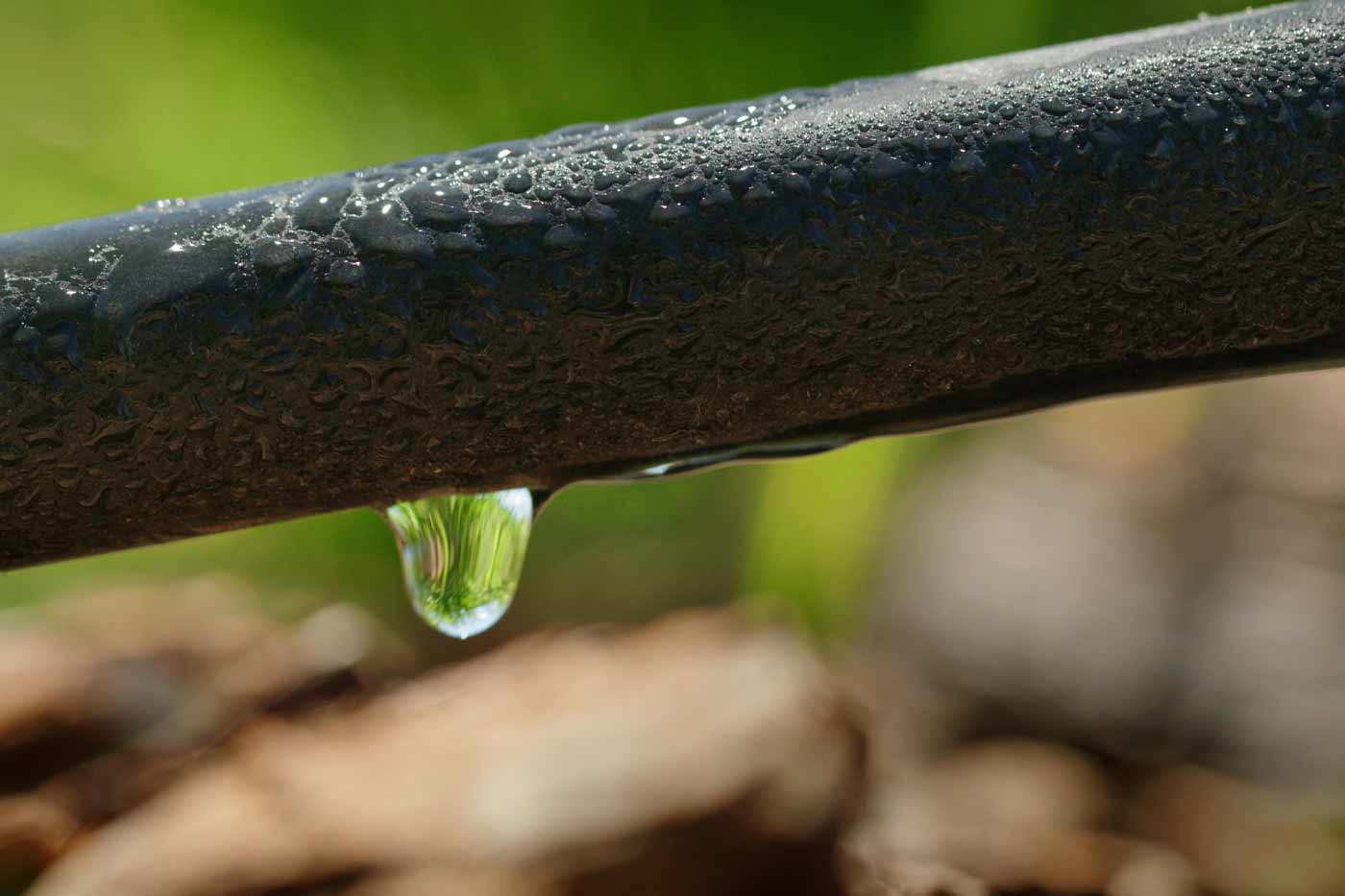
- Use soaker hoses to ensure 90% of your water is going to your plants while limiting weed growth. An inch of water slowly dripped onto the soil over a six-hour period will soak in and not run off. Dig into the soil an hour after watering to gauge moisture depth, and adjust the flow and timing accordingly.
- Water deeply and less often to enhance the resiliency of the plant’s root system. A slow, saturating soaking at a lower water pressure is ideal for most plants. If unsure in the beginning, dig a small hole with a trowel to ensure the soil at the root level is cool and damp. Water meters also help determine when to water plants.
- Capture and store water by planting into natural depressions where water pools, building up soil around plants to capture water, or sinking a plastic pot with drainage holes into the ground up to the rim beside especially thirsty plants. Water into the pot, which will then feed the water directly to the root zone.
- Collect rainwater—ideal for plants—from your roof, greenhouse, shed and gutters into water barrels in close proximity to where you’ll need it. A rain barrel next to your roof will capture natural rainwater that would otherwise run off. A 1,000-square-foot roof can yield 625 gallons of water from an inch of rain.
- Watch plants for signs of drought stress, including droopy plant leaves, and the browning of leaf edges and between veins. Crispy leaves are an indicator of leaf scorch.
- Remove weeds to eliminate competition for moisture. Annual weeds can be hoed off and left on the soil surface, but dig out the roots of more pernicious perennials. Smother weeds or pull them out with the roots.
- Use shade and wind protection, such as shade cloths in hot weather and windbreaks. Taller crops like corn also can cast shade and protect smaller plants, and sprawling vines can help protect the soil.
- Improve soil with compost. Build up your soil by adding at least an inch of compost each year. Good soil absorbs water like a sponge and improves water-holding capacity.
- Mulch to retain moisture. A 6- to 8-inch layer of organic mulch around your plants can significantly cut water needs by increasing the humidity level around plants, blocking weeds and moderating soil temperature. Mulch also prevents compaction and acts as a cushion during heavy rainfall.
- Choose drought-tolerant plants, especially varieties native to your area. Group plants with similar water needs, and don’t plant more than you can keep up with. Stressed plants use more water.
Visit The Old Farmer’s Almanac website for more water-saving tips, including how to water vegetable gardens in hot weather and care for trees during a drought.