As descending leaves mark the changing of the seasons, fall cleanup signals the year’s homestretch for homeowners and gardeners. Before getting a jump on lawn and garden chores, consider keeping next spring’s helpers in mind.
The Old Farmer’s Almanac offers seven tips for tackling fall cleanup efficiently while helping pollinators and other garden allies survive winter:
Leave some leaves
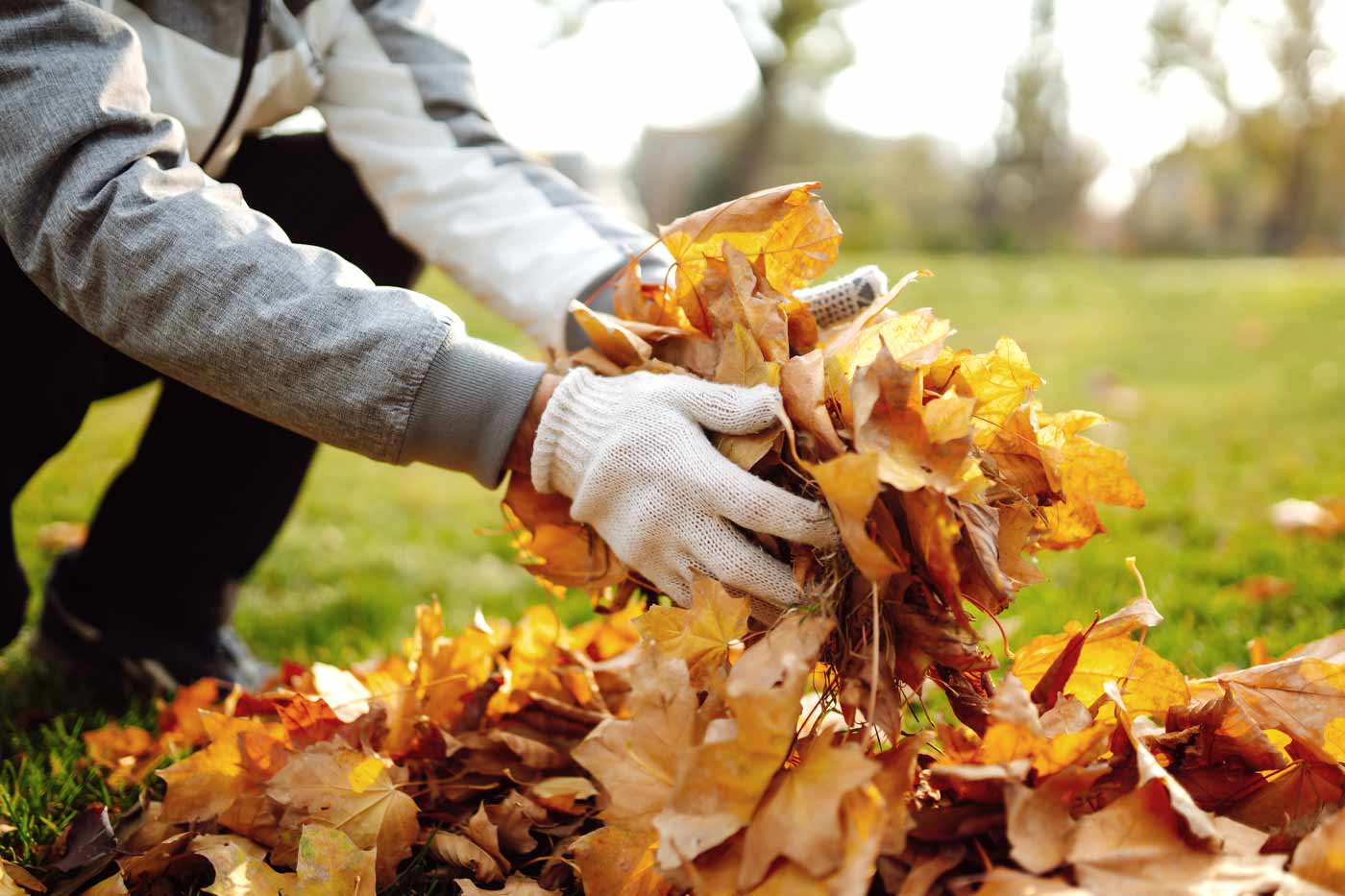
- Leave a few leaf piles in the corners of your yard, and keep leaves under shrubs as a natural insulator. Frogs and other wildlife will need fall leaves for insulation.
- For turfgrass, leaves should not cover more than 20% of the lawn or mat in layers.
- Mulch leaves with a mower to add nutrients and organic matter to the soil, reduce weed seed germination and unlock other benefits; or consider raking them up to make leaf mold.
- Add some shredded or whole leaves to your garden beds and other areas to serve as a mulch.
Compost leaves
- Start a compost pile in the corner of your yard to make nutrient-rich fertilizer. Layer your “brown” leaves with “green” materials to mix high-carbon and high-nitrogen materials for faster composting.
- Keep the pile slightly moist, and turn it occasionally to aerate and mix the material.
Clean up perennial flowers
- In general, consider leaving most perennials uncut through the winter. Native bee species nest in hollow stems, and many butterflies pupate and spend the winter on these plants.
- Many perennials like coneflowers, black-eyed Susans, Joe-Pye weed and marigolds can serve as an important food source for seed-eating birds during the winter. Allow seed heads to ripen until they brown and split open.
- Some plants should be cut back to avoid issues.
Clear away vegetable crops
- Clear away diseased plants and any dead or rotting plant material. Pest insects and diseases will overwinter and carry over into next season.
- Protect the ground from winter weather by covering with an organic mulch, or planting a cover crop.
- For fruit trees and berry bushes, consider delaying mulching until the end of winter. Once all of the leftover leaves are raked up, frost will penetrate into the top layers of soil and clear out overwintering pests below.
- Remove canes and other plant supports. Wipe or wash off any soil, then dry and store them in an area that will be sheltered from severe winter weather.
- Weed in the fall to prevent issues in the spring.
Leave grass long
- Allow the grass to grow a little longer over the winter to protect soil-enriching caterpillars and other beneficial bugs.
- For the season’s final cut, set mower blades fairly high to help protect the soil and achieve a healthier turf. Use a shredding mower to return leaf litter to the soil.
Support wildlife
- To provide safe houses for birds and small mammals, gather shrub clippings and create brush piles in the corners of your yard. Place tree and shrub branches on top of the pile to offer warmth and protection.
- Keep bird feeders filled. Birds particularly appreciate fatty, high-energy foods during the cold months. Establish a feeding routine, offer water and regularly clean feeders and bird baths.
- Plant new wildlife-friendly hedges. Include berry-producing species like hawthorn or shrubs like pussy willow that will support butterflies, and explore the best shrubs for benefiting birds.
Plant bulbs for pollinators
- Plant spring-flowering bulbs like daffodils, crocuses, grape hyacinths and snake’s-head fritillary to provide early nectar for pollinators.
- Plant bulbs in groups or beds of the same color, or scatter bulbs across perennial beds for pops of color in early spring. Plant larger bulbs 8 inches deep and smaller bulbs 4 inches deep.
Visit The Old Farmer’s Almanac website for more fall garden cleanup tips.