CHESTER—A Virginia young farmer and his team recently made history as pioneers in the emerging realm of regenerative farming.
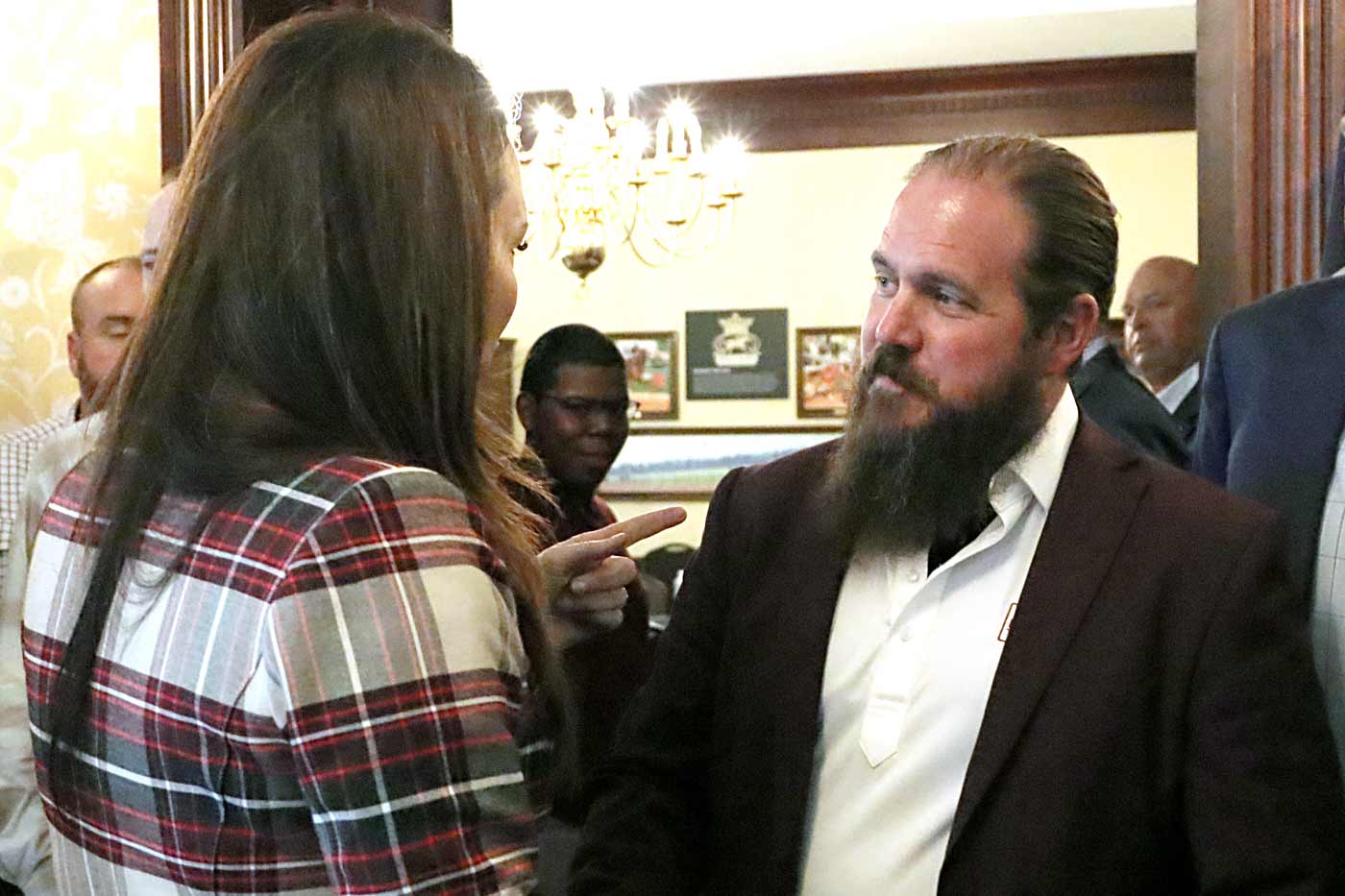
Alan Thibault welcomed leaders in agriculture, policy, food and wine to his family’s Ashton Creek Vineyard in Chester on May 20 to showcase estate wines, pasture-raised lamb and a milestone moment in Virginia agriculture.
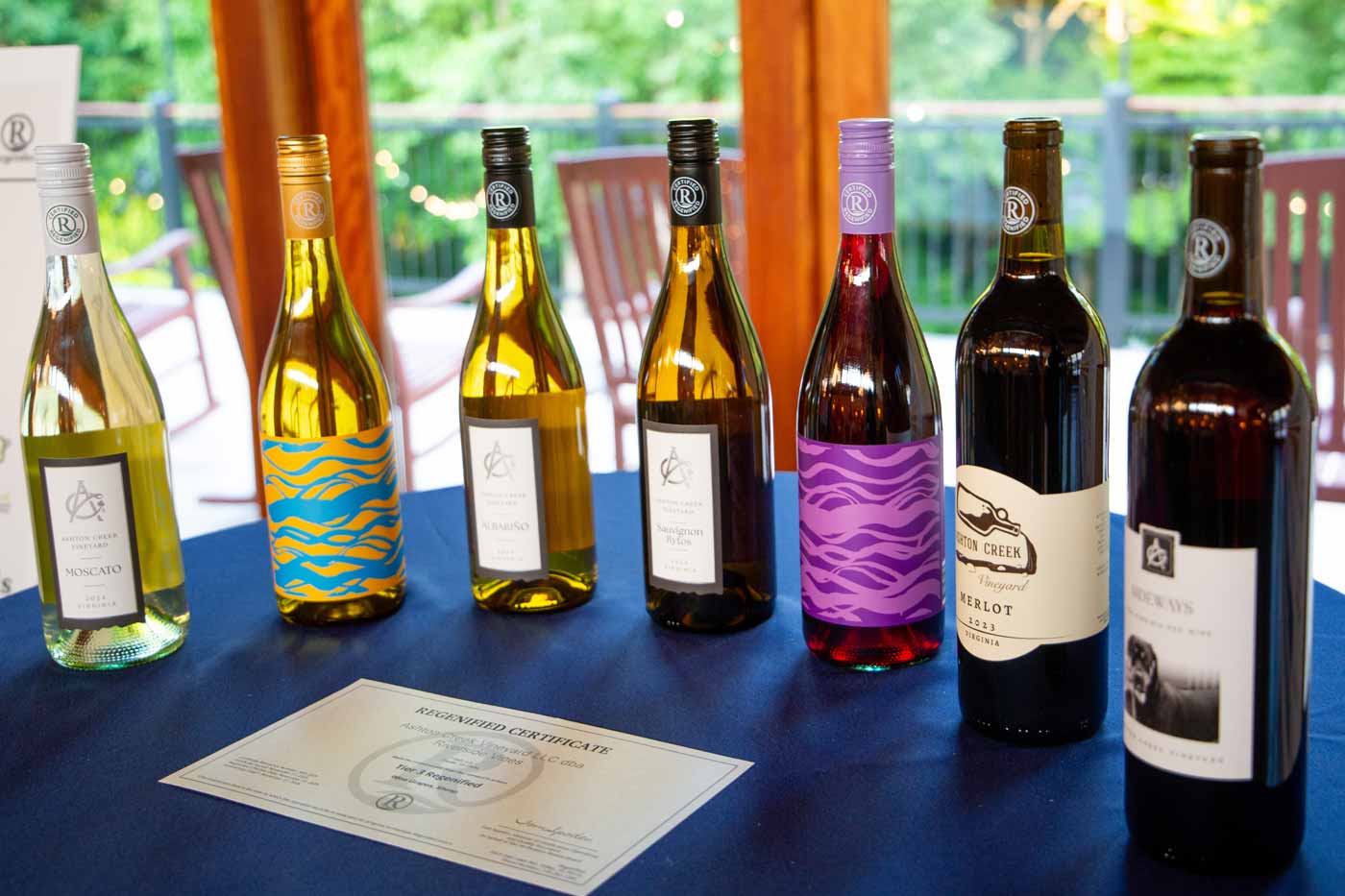
Ashton Creek Vineyard and sister site Riverside Vines in Dinwiddie County are the first vineyard operations in Virginia to achieve Certified Regenified™ status—integrating soil health, biodiversity and animal stewardship into one unified system.
“This distinction reflects a strong commitment to soil health, stewardship and a long-term agricultural sustainability that closely aligns with the mission and conservation priorities of the U.S. Department of Agriculture’s Natural Resources Conservation Service,” remarked Edwin Martinez, NRCS state conservationist for Virginia.
Launched in December 2025, the NRCS Regenerative Pilot Program is investing $700 million to support voluntary regenerative agriculture conservation plans. The program “targets a whole-farm approach while promoting soil health, water management, natural vitality and productivity, and the prosperity of American agriculture and communities,” Martinez explained.
Thibault, a first-generation farmer, discussed his family’s journey from “linear to circular farming” in the face of mounting farming challenges. From planting their first grapevines in 2006 to purchasing additional farmland in Sutherland in 2018, the family struggled against ever-increasing inputs and declining soil health.
“We really wanted to fix the root cause of the sickness instead of always addressing the symptoms,” he explained.
Struggling to keep up with mechanical weeding, the Thibaults introduced Dormer sheep to their vineyards three years ago to help control vegetation and enhance soil health. With Ashton Creek’s regenerative certified lamb now a popular tasting room menu item, the family has since optimized their still-growing herd of around 100 sheep, released beneficial bugs to target vineyard pests, and diversified their cover crop plantings.
In addition to observing enhanced biodiversity in their fields, resiliency in young vines and nutrient density in their sheep, the Thibaults have been able to eliminate synthetic fertilizers and herbicides, decrease fungicide use by 40%, limit mowing and labor, reduce outside inputs by 65%, and increase their soil’s organic matter by 400% and carbon capture by 350%.
“We’re really excited to build something that we feel can be sustainable for the next generation,” Thibault reflected. “And we’re not going to stop at this certification. We want to continue to improve that organic matter and capture more carbon, be that difference in the climate and community, and produce products that everyone can be proud of.”
AJ Greely, president of the Virginia Vineyards Association, recalled the devastating impacts of the April 21 freeze on statewide vineyards.
“Regenerative farming ultimately leads to stronger vineyards—ones that will move forward and flourish despite the challenges we face,” she added. “Now it’s time for the next generation to step up, and Alan is part of that next generation that’s going to lead us more sustainably.”
As co-chair of the Virginia Farm Bureau Federation Chesterfield County Young Farmers Committee, Thibault helps leads the next generation of agricultural leaders from the grassroots up. He recently welcomed young farmers from across the state to Ashton Creek Vineyard for a VFBF Young Farmers Winter Expo networking dinner.
“A first-generation farmer who started one way but then figured out what was going to work for his operation, and being a pioneer in regenerative agriculture—something that’s still being looked at—is significant,” remarked VFBF President Scott Sink. “Our Farm Bureau leaders are always pioneering, and it’s just great to be able to support him in that journey.”
Media: Contact the Ashton Creek marketing team.