Christmas trees are the centerpiece of many holiday traditions—picked, decorated and cherished by families throughout December. While they’re best known for sheltering presents and spreading holiday cheer, they have many surprising uses beyond the holidays.
Before tossing out this year’s tree, considering unlocking its post-Christmas potential.
The Old Farmer’s Almanac offers 10 ideas for reusing or recycling your Christmas tree once the holidays are over:
- Repurpose your Christmas tree to shelter small birds, such as chickadees and finches, from cold nights and winter storms. Prop it up near a bird feeder, another tree or against a fence; or lay it in your garden for myriad animals to enjoy.
- Create an aromatic Yule log to use in your fireplace next season. Trim the branches from the tree and saw the trunk into several pieces. Tie the pieces together and store the bundle in the cellar.
- Use the branches as mulch, giving perennials and shrubs extra root protection from winter weather. Place the cut branches in the garden, and they’ll retain moisture, help build the soil, and provide shelter for pollinators and wildlife.
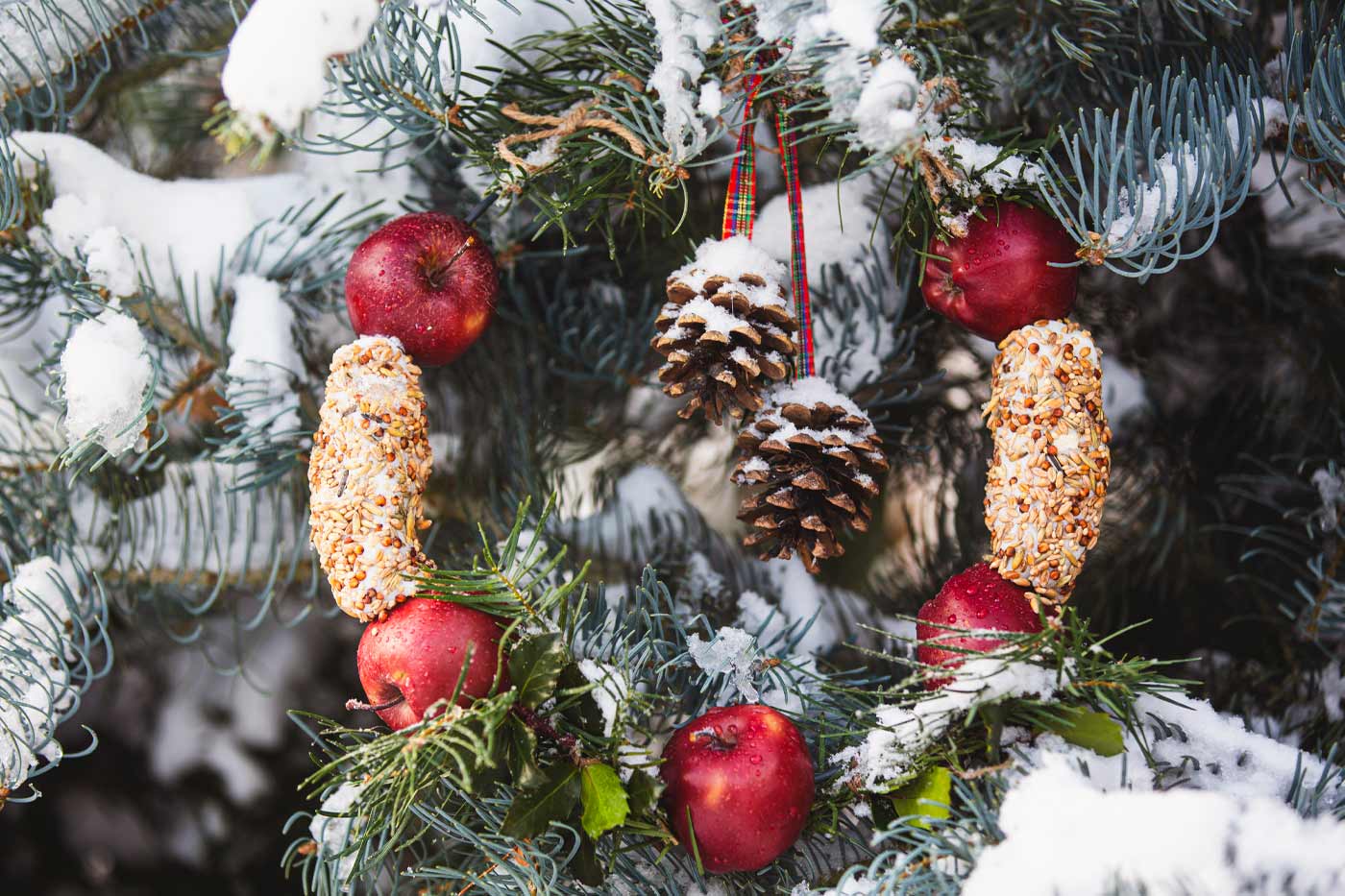
- Redecorate your tree as an outdoor bird feeder. String it with popcorn and cranberry garland or other bird-friendly treats—like pine cones filled with peanut butter or homemade suet.
- Use boughs from your Christmas tree to shade broad-leaved evergreen shrubs from the harsh winter sun and to block out pests.
- Make fragrant balsam sachets for freshening drawers and closets. Just sew scraps of fabric together and fill them with Christmas tree needles.
- Collect trees from several neighbors and line them up along your driveway or sidewalk as a windbreak. Anchor them to cement blocks and bury the blocks in the snow.
- Pile Christmas tree boughs around tree trunks to discourage neighborhood dogs from urinating on them.
- Use dried-out sprigs to ignite kindling in your woodstove or fireplace.
- Give the tree to a friend or neighbor who has a wood chipper, and use the wood chips as mulch.
Or, you can simply leave the tree in your backyard to decompose over the winter. Young Christmas trees like spruce and balsam fir have very low rot resistance and break down quickly—enriching the soil just as nature intended.
While Christmas trees have many surprising uses, it’s important to know their limitations. Avoid these common mistakes to keep your home, wildlife and community safe:
- Don’t burn the whole tree indoors. A whole Christmas tree should never be burned in a fireplace or wood stove. The needles and resin-rich wood burn extremely hot and fast, creating dangerous flare-ups that can send sparks flying and ignite chimney fires. Instead, use only small, dried branches as kindling in an outdoor fire pit.
- Don’t leave the tree in a plastic bag. Throwing your tree out in a plastic bag prevents it from decomposing and can contaminate municipal compost programs. Instead, remove all decorations and recycle the tree bare.
- Don’t throw it in waterways. Decomposing trees can alter water chemistry or become water hazards. Use evergreen branches to build backyard wildlife shelters instead.
- Don’t leave lights, tinsel or ornaments on. Anything non-natural (plastic, metal, glitter) can contaminate mulch, harm municipal chippers or injure wildlife. Even tiny tinsel strands are dangerous if ingested by birds. Strip the tree completely before recycling.
- Don’t try to replant a cut tree. Once a tree has been cut from its root ball, it can’t grow again. If replanting is your goal, buy a live, potted tree next year.
Visit The Old Farmer’s Almanac website for more tips on repurposing, handling and safely discarding your Christmas tree.