MATTAPONI—Mike Pumo has developed a healthy respect for the power of Mother Nature in 27 years of insuring properties across Virginia’s Upper Tidewater region. As a Virginia Farm Bureau Mutual Insurance Co. agent based in King & Queen County, he has been there to help customers recover from wind damage and flood losses from many hurricane seasons.
“But spring storms can be very violent too,” Pumo said.
In May 2018, two derechos swept through mid-Atlantic states. A squall line produced a swath of high winds and damage roughly 470 miles long, from Ohio to Virginia.
“Those strong, straight-line winds lifted and completely flipped over one of my client’s machine sheds in New Kent County,” he recalled.
The original shed housed combines for the farmer’s row crop operation. It had been recently constructed and was “a very well-built” wooden pole-style shed.
“Unfortunately, the wind blew straight into the open end, ripped it out of the ground, and flipped it completely over backwards,” Pumo said, who met the impacted farmer later that day to assess the damage. “I remember thinking, holy cow, I can’t believe it did that! The force of nature is crazy. And it’s not like that shed was poorly built. The wind ripped the poles right off.”
A claim was submitted and the farmer replaced his machine shed—this time steel-posted and-trussed.
While such losses cannot be anticipated, property owners can take a few mitigating actions to protect structures against severe weather as springtime sets in.
“Spring storms can happen anywhere in the state,” said VFBMIC director of property claims David Jewell. “That’s when we see a lot of wind and hail. We see more flooding with storms later in the year.”
Property owners can visit ready.gov/alerts to sign up for severe weather alerts.
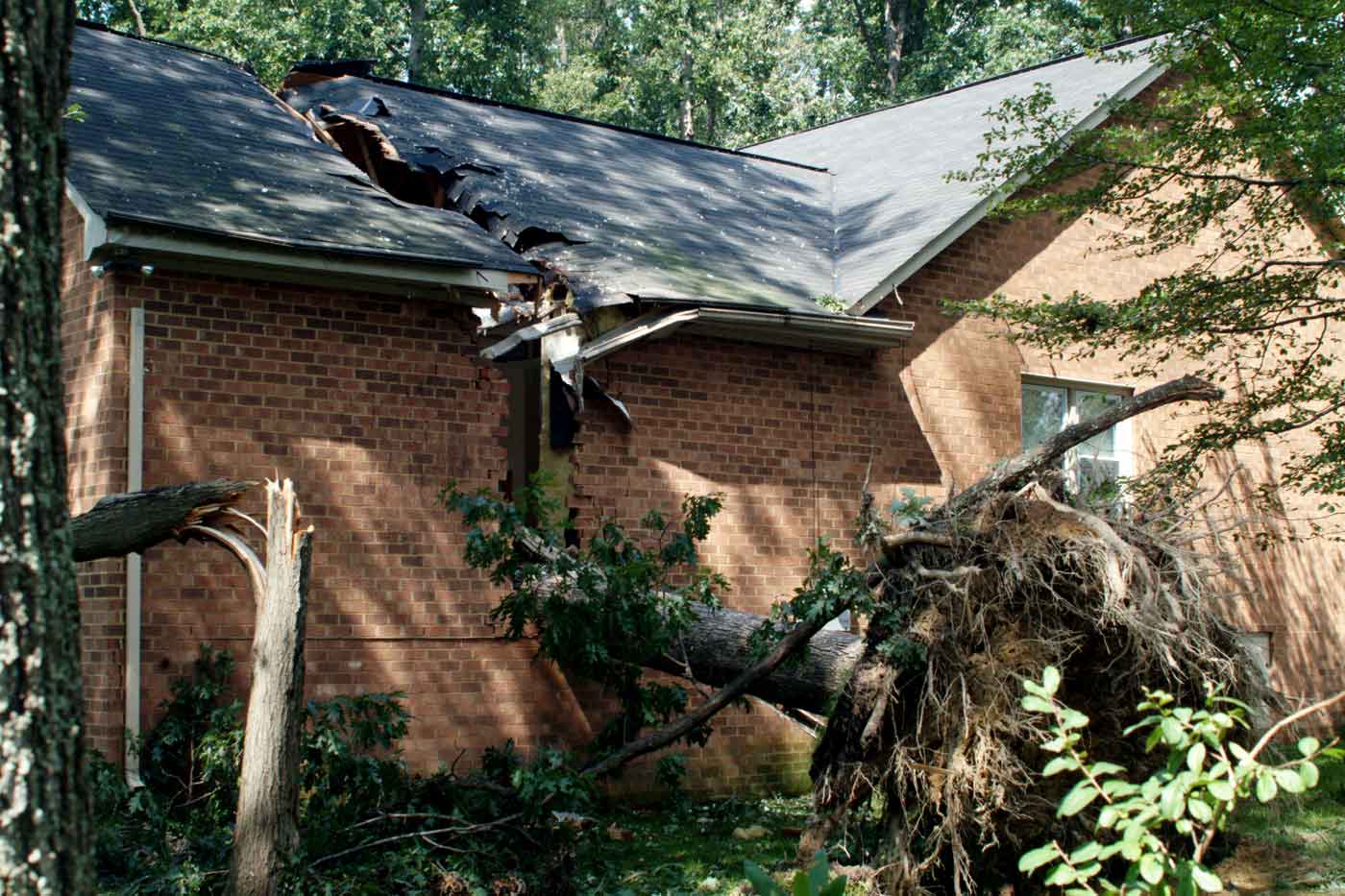
Before the threat of spring storms, trim trees and remove dead branches around the home, and replace any missing or loose roof shingles, Jewell advised. If a storm is imminent, secure outdoor furniture, grills and decorations to protect the property from items that could become windborne.
“And be prepared for power outages too,” he added. Keep an emergency kit with flashlights, extra batteries, a weather radio, first-aid items, medications, documents, cash, blankets, non-perishable food and multi-day supply of bottled water.
Homeowners also should ensure they have adequate insurance coverage for storm-related damage, Pumo added. Reviewing policies with an insurance agent in advance can help avoid unexpected costs after a disaster.
Follow these tips on storm preparation, or enter your ZIP code to find a VFBMIC agent nearby.
Media: Contact Pumo at 804-785-9431; or Jewell at 800-828-6862.