Gardening

Be frugal when buying new plants— split them into more plants
No matter what you’re buying, every penny counts. And dividing newly purchased daylilies, hostas, tall bearded irises and ferns can save you $50 or more.

How to maintain holiday plants
So you received beautiful plants for the holidays now how do you make them last into the new year?

Relieve boxwoods of winter’s wear and tear
Boxwood trees are great foundation plants and also can be used for privacy screening, but they are susceptible to winter storm damage, said horticulturalist Mark Viette.

Brighten up inside with outside finds from the garden
Even when temperatures are dropping, many outdoor items can be used to create fresh floral arrangements inside your home during the fall and winter.

Attract birds during the winter with variety of feeders
In the winter when perennials are sleeping, there is still a lot of enjoyment to be found in the garden.

Gardeners advised to toughen up seedlings for spring planting
Now that it’s officially spring, gardeners who started their own transplants from seed over the winter are thinking about putting them in the ground.

Extra attention helps cut flowers stay vibrant longer
Cut flowers can brighten up your day—and your home. If you received fresh flowers this holiday season and want to keep them fresher longer, a little extra attention can go a long way.

Test your soil now to grow better crops and gardens
Most Virginians take the winter off from gardening, but cold months are a great time to test your soil, said Chris Mullins, a Virginia Cooperative Extension greenhouse specialist at Virginia State University.

Lilacs not blooming? See if they get enough light
Lilacs in bloom are a lush, purple highlight on a home landscape, but if your lilac bush didn’t bloom this year, horticulturalist Mark Viette of Viette Nurseries in Augusta County has a solution.
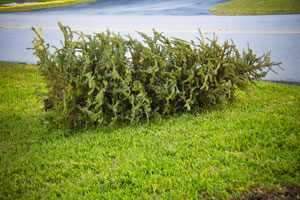
Recycled trees are post-holiday gifts for the environment
Jennifer Gagnon, Virginia Forest Landowner Education program coordinator, said fresh-cut Christmas trees can be recycled or repurposed into natural products, wildlife habitat or feeding areas to attract wildlife.
