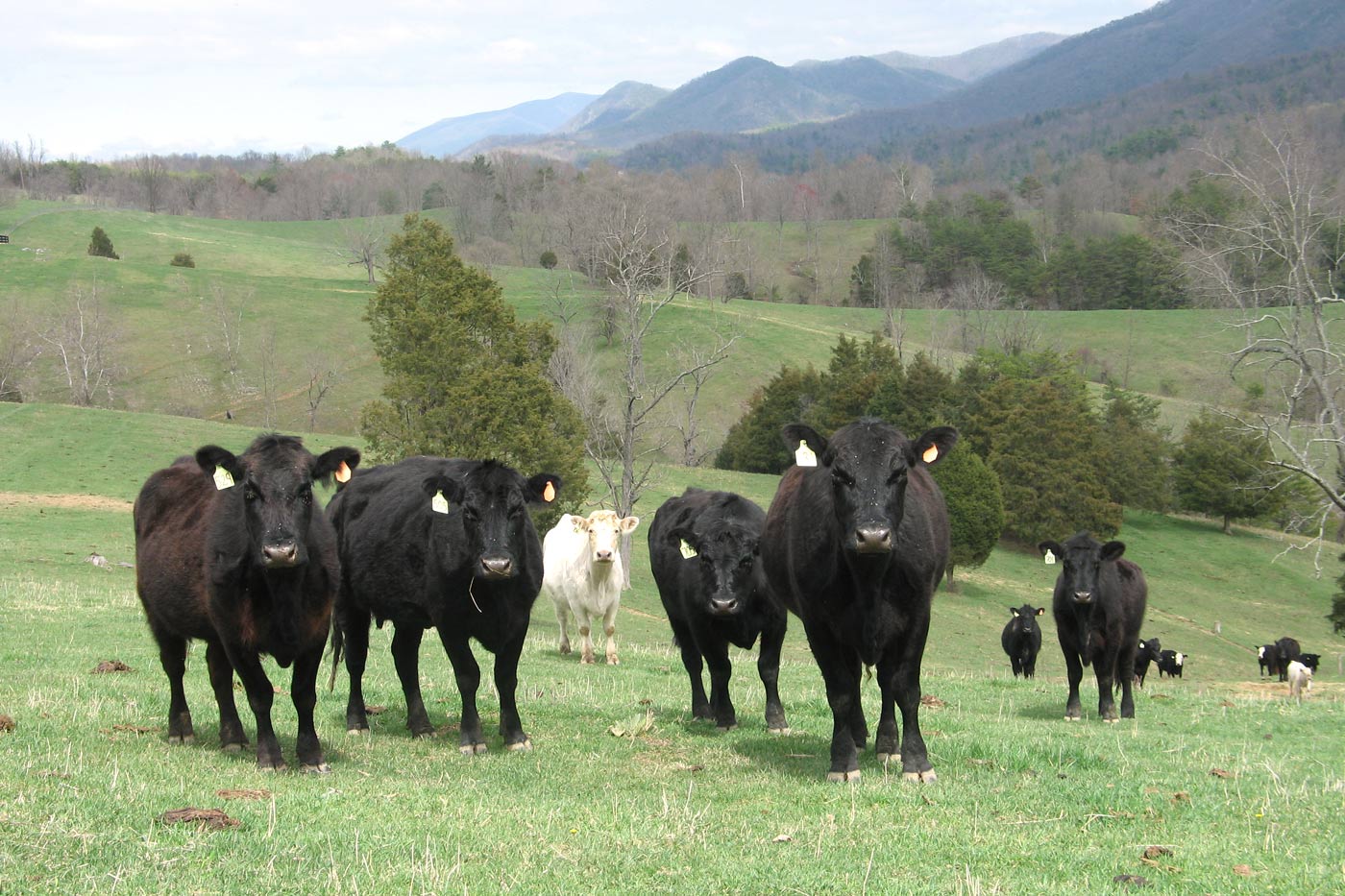
RICHMOND—While detection of the New World screwworm in the U.S. is a concerning development, agriculture officials say there is no cause for alarm in Virginia.
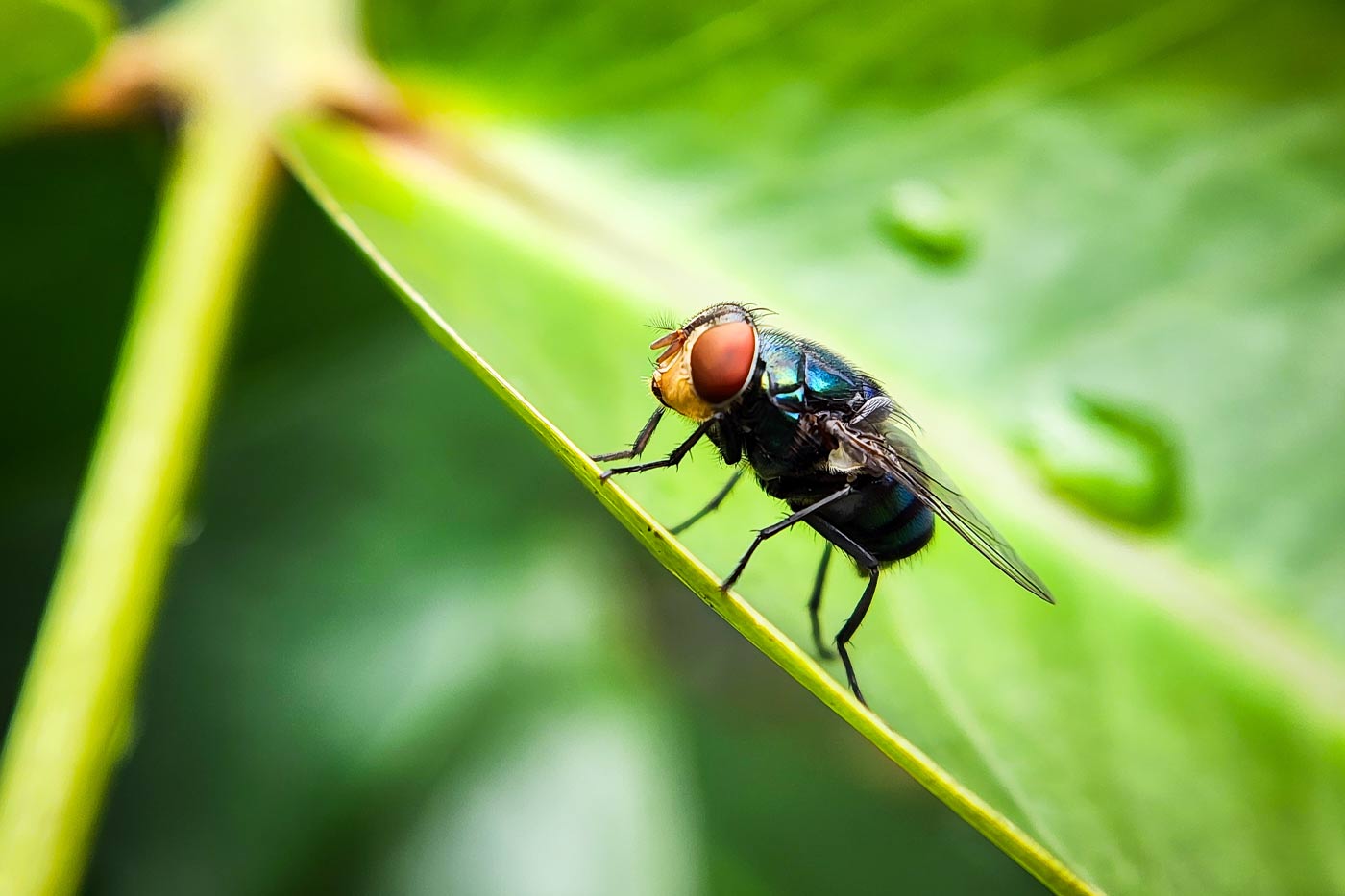
NWS, or Cochliomyia hominivorax, is a species of parasitic fly that can infest livestock, pets, wildlife and occasionally birds. Twelve domestic animal cases have been confirmed in Texas and New Mexico since early June.
But the likelihood of NWS detection in Virginia anytime soon is “essentially zero,” said John Currin, DVM, clinical associate professor at the Virginia-Maryland College of Veterinary Medicine. “And long term, still incredibly close to zero.”
NWS is typically found in South America and the Caribbean. However, the fly has steadily moved northward through Central America since 2023. NWS flies are attracted to wounds and body openings where they lay eggs that hatch into maggots. The larvae eat live tissue in this lifecycle, resulting in devastating wounds to host animals.
“We should not be surprised when a lot more U.S. cases are identified,” Currin continued. “There’s more out there than what’s been reported. And it’s hard to monitor in wildlife.”
However, only those transporting livestock or pets to or from Texas are urged to take precautions.
“People need to be aware, if they’re traveling into that area, to prevent bringing it back,” Currin said. “There are products available for both NWS prevention and treatment for livestock, pets and people who may be traveling there.”
Those traveling with animals can consult the USDA or a local veterinarian to learn about NWS preventatives and treatments.
The U.S. Department of Agriculture and the Virginia Department of Agriculture and Consumer Services continuously monitor interstate animal movements to prevent the entry of infected animals.
“As with any pest or disease outbreak, we encourage livestock producers and animal owners to stay informed and engaged with their animals’ health,” said Virginia State Veterinarian Dr. Charlie Broaddus. “If New World screwworm does find its way to Virginia, we are ready to respond and help protect the health of our animal populations. We are fortunate that with NWS not surviving in sustained temperatures below 46 degrees, Virginia is not at risk for NWS to become established here long term.”
For consumers of beef or other meat products, domestic detection of NWS is not a threat, added Tony Banks, senior assistant director of Virginia Farm Bureau Federation agriculture, development and innovation.
“Though NWS is a legitimate problem for wildlife and livestock in southernmost states, there’s absolutely no food-safety risk to consumers,” he said.
Virginia’s environment is not necessarily hospitable to these flies, Currin noted.
“And hopefully we will be able to get this thing contained before it can even move this far north,” he said. “We’re at least a year away from the new USDA plant in Texas coming online that will produce sterile flies to truly get it under control.”
Historically, the fly is a familiar foe in the U.S., and so are the tools to mitigate it.
Following the shipment of infested cattle from the Southwest in 1933, the parasite caused outbreaks throughout southeastern states. Through implementation of the Sterile Insect Technique—releasing massive numbers of sterilized male flies to collapse local populations—the USDA successfully eliminated the screwworm by 1966.
USDA is leading an aggressive unified response to detections of NWS. Visit screwworm.gov or contact USDA staff at screwworm@usda.gov for more information.
Media: Contact Virginia Cooperative Extension communications at 540-231-9325; VDACS communications at 804-786-1904; or Banks at 804-290-1114.